
skip to Main Content

Why Use a Motor Braking Resistor?

A motor that slows down can send energy back toward its drive. In a conveyor line, the load may keep turning the motor even after the drive commands a stop. That returning energy raises the DC-bus voltage. A Motor Braking Resistor gives the drive a controlled path to dissipate it as heat, helping prevent overvoltage trips and supporting predictable deceleration. The resistor does not make energy disappear. It converts it into heat that must be managed.

Austin Hughes, co-author of Electric Motors and Drives, is a recognized motor-drive author. A practical paraphrase of the engineering principle in his field is: “When a drive cannot return braking energy to the supply, it must dispose of that energy safely.” This is a paraphrase, not a verbatim quotation. The distinction matters. A resistor that is too small may overheat; one selected without checking the drive’s braking duty may not protect the system as intended. Engineers typically review resistance, peak power, braking duration, and the manufacturer’s drive specifications before choosing a unit.

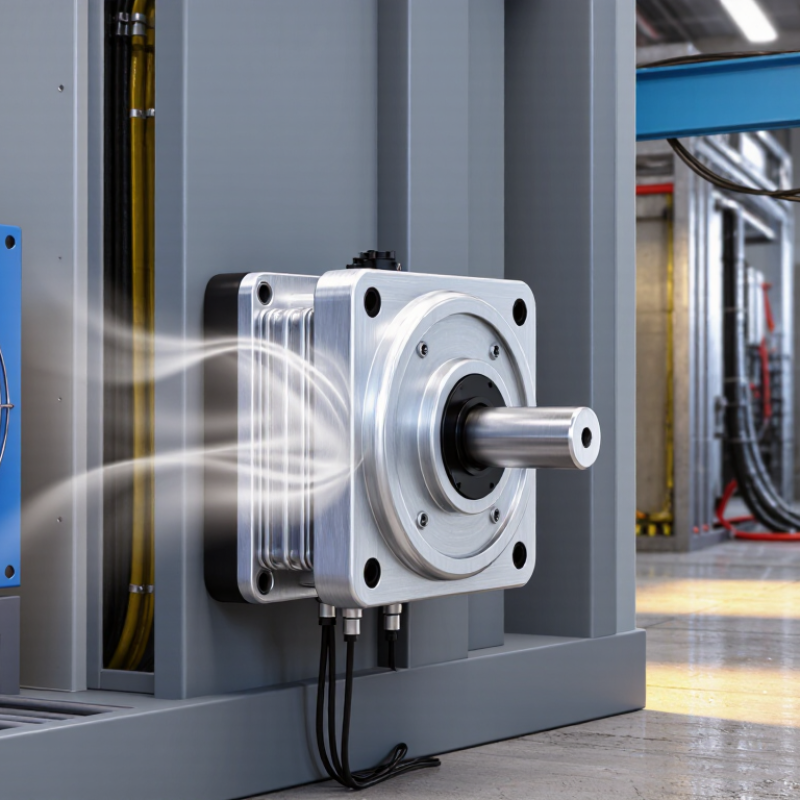
The hardware can look simple: a metal-cased resistor mounted near a drive cabinet, with heat rising during repeated stops. Yet the application is not always simple. A lightly loaded fan and a fast-cycling hoist create different braking demands. Treating them alike is an easy mistake. A Motor Braking Resistor can improve stopping performance, but correct sizing and thermal installation remain essential.
Why Use a Motor Braking Resistor?

How a Motor Braking Resistor Works

Why Use a Motor Braking Resistor?

How a Motor Braking Resistor Works

When a motor slows a moving load, it can act like a generator. The load’s motion drives the motor, producing electrical energy that flows back toward the drive. If that energy cannot be returned to the power supply or absorbed elsewhere, the drive’s DC bus voltage may rise. That energy has to go somewhere.

A braking circuit switches a resistor across the DC bus when voltage reaches a set level. Current then flows through the resistor, converting electrical energy into heat. In practice, the resistor may warm quickly during repeated stops, so its resistance, power rating, and duty cycle must suit the motor and load. A heavily loaded conveyor stopping every few seconds creates a different demand from a small fan that coasts down slowly.

Heat, not magic. The resistor needs room for airflow and a mounting surface that tolerates its operating temperature. A thermal switch can help signal overheating, but it does not replace correct sizing or inspection.

It is tempting to choose a resistor by motor power alone; that can be misleading, because stopping time, load inertia, and stop frequency also matter. Regenerative drives may return energy to the supply instead, so a braking resistor is not required in every installation.

How Motors Generate Energy During Deceleration

When a motor slows a loaded machine, its rotating parts do not lose energy instantly. The motor can act as a generator: the moving load drives the shaft, producing electrical energy. That energy flows back through the drive, often raising voltage on its direct-current bus. A conveyor carrying cartons offers a clear example. Even after power to the motor is reduced, the belt and cartons keep moving. The energy has to go somewhere. If the drive cannot return it to the supply, a braking circuit can route it through a resistor.

The resistor turns electrical energy into heat, rather than letting bus voltage climb beyond safe operating limits. A braking switch typically connects it when voltage crosses a set threshold. After repeated stops, a temperature rise around the resistor’s guarded enclosure is expected. That heat must be managed. Resistance, pulse energy, and cooling depend on the motor, load inertia, stop time, and stopping frequency. A resistor sized for one emergency stop may overheat during rapid cycling. Details matter. In practice, estimates can miss friction or changing loads, so the actual duty cycle deserves careful review.

Why Use a Motor Braking Resistor?

Energy released as a motor decelerates

A decelerating motor can act as a generator, returning its rotational energy to the drive’s DC bus. A braking resistor converts excess energy into heat, helping prevent DC-bus overvoltage. Values shown are calculated for an illustrative rotating inertia of 0.12 kg·m² using E = ½Jω²; they exclude mechanical losses and energy from external loads.

Why Excess Energy Must Be Dissipated

Why Use a Motor Braking Resistor?
Why Excess Energy Must Be Dissipated

When a motor slows a moving load, it can act like a generator. The load’s motion sends electrical energy back toward the drive. If the drive cannot return that energy to the power supply, it builds up in the drive’s DC bus. Too much can trigger a fault or interrupt deceleration. Heat must go somewhere. A braking resistor provides a controlled path, turning excess electrical energy into heat.

The need depends on the load, stopping time, and braking frequency. A lightly loaded fan may need little braking, while a lift or fast-moving conveyor can produce much more energy. The resistor must match the drive’s requirements and the application’s peak power and duty cycle. I’ve seen one detail easy to underestimate: repeated short stops can heat a resistor more than its size suggests. Allow for ventilation and keep hot surfaces clear.

Tips: Check the drive manual for resistance and power limits. Confirm the expected stopping frequency, not just one stop. Mount the resistor where heat can escape, and verify its temperature during commissioning. If the application changes later, review the sizing again.

How Braking Resistors Protect Motor Drive Systems

When a motor slows a moving load, it may act as a generator and send energy back toward the drive. That returned energy can raise the DC bus voltage. If the voltage exceeds the drive’s limits, the system may trip, interrupting production or causing unwanted stops. A braking resistor gives excess energy a controlled path, converting it into heat instead of letting voltage climb unchecked.

This protection depends on choosing and installing the resistor correctly. Match its resistance and power rating to the drive manufacturer’s specifications, and consider peak braking power, stopping frequency, and duty cycle. A lift lowering a load repeatedly, for example, creates a different thermal demand than a fan stopping occasionally. In practice, calculations are only a starting point; real load patterns can be less predictable than a test cycle.

It gets hot.

Provide ventilation and clearance, and prevent accidental contact with the resistor or nearby surfaces. Check that the drive’s braking circuit is configured for the selected resistor, and inspect connections for looseness or heat damage. A resistor can help manage electrical braking energy, but it does not replace a mechanical holding brake where a load must remain secured while stopped.

Factors to Consider When Selecting a Braking Resistor

When a motor slows a load, its kinetic energy may return to the drive. A braking resistor converts that energy into heat. Selecting one starts with the load, not a catalog rating. Estimate the load’s inertia, operating speed, stopping time, and how often stops occur. A heavy flywheel stopping every few seconds creates a different duty from a lightly loaded fan stopping once per shift.

Check the drive’s permitted resistance range and peak braking current. The resistance must suit the braking circuit, while the resistor’s pulse-energy rating must handle each stop. Average power matters too, especially during repeated cycles. Heat matters. Consider ambient temperature, enclosure airflow, nearby cables, and the resistor’s mounting surface. A tightly enclosed cabinet can become much hotter than expected. Follow the drive and resistor manufacturers’ installation limits, including required clearances and thermal protection.

Real operating data is more useful than a guessed duty cycle. If measurements are unavailable, calculate conservatively, then review the assumptions after commissioning. They can be wrong. Confirm that the resistor can tolerate both the brief energy pulses and the average heat load; one rating alone does not tell the whole story. Leave room for changes in load or stopping frequency, but avoid choosing a larger unit without checking its electrical compatibility.