Why Choose Copeland Scroll Compressors?
Choosing a Copeland Scroll Compfressor starts with the demands of the system, not the name on the casing. Capacity, refrigerant, operating conditions, and controls all matter. A scroll design can offer smooth operation and dependable performance when properly selected. It is not a shortcut around careful system design.
HVACR educator John Tomczyk emphasizes matching components to the application. In paraphrase, his system-first guidance can be put simply: “A compressor must fit the system, not just the catalog.” That distinction matters in real installations. A rooftop unit facing long summer heat has different needs from a cooler running in a mild climate. Model features also vary, so check current manufacturer specifications rather than assuming every Copeland scroll offers the same capabilities. Small details count.
The case for choosing one may include operating efficiency, sound, reliability, and service considerations. But results depend on sizing, installation, maintenance, and controls. No compressor fixes a poorly designed system. That deserves a second look. Buyers should confirm compatibility with qualified HVAC professionals and review the product data for their exact application. This guide will examine where Copeland scroll compressors can be a strong fit, what to verify before purchase, and where expectations should stay realistic. One caveat: published performance figures describe defined test conditions, not every job site. Field conditions can be messier. That is worth remembering.
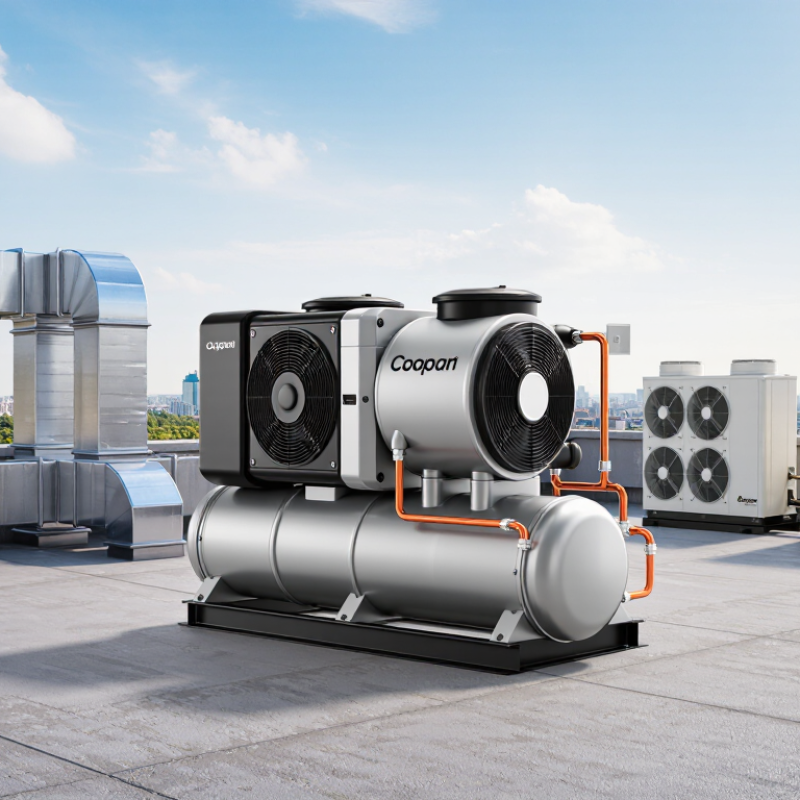
What Copeland Scroll Compressors Are and How They Work
A scroll compressor moves refrigerant through two spiral-shaped elements. One stays fixed; the other orbits around it without spinning freely. Their curved surfaces form small pockets that carry low-pressure refrigerant from the outer edge toward the center.
As the pockets move inward, their volume decreases and pressure rises. The compressed gas then leaves through a discharge port and continues through the refrigeration or air-conditioning circuit. The process is continuous, rather than relying on the repeated piston strokes found in many other compressor designs.
That motion matters.
In practical systems, scroll compressors are valued for smooth operation and relatively few moving parts. Still, performance depends on correct installation, refrigerant charge, airflow, and operating conditions. A technician may check pressure readings, electrical current, and temperature differences when diagnosing a system; one number alone rarely tells the whole story. Sound can offer clues, too, but a quiet unit is not automatically a healthy one. The details can be easy to overlook. Scroll designs are not a universal fit, and efficiency varies by model and application. Matching the compressor to the system takes careful attention.
Key Design Features of Copeland Scroll Compressors
A scroll compressor works through two precisely shaped spiral elements. One remains fixed while the other orbits, trapping refrigerant in pockets that gradually move toward the center. As each pocket shrinks, pressure rises. The motion is continuous, rather than relying on a piston’s back-and-forth stroke.
Fewer major moving parts can mean less vibration and a smoother operating sound. The compact layout also helps equipment makers fit cooling capacity into smaller spaces. Close clearances between the scrolls matter; they support efficient compression but demand careful manufacturing. Not quite effortless. Lubrication, refrigerant choice, and operating conditions still affect performance.
In practice, the design tends to work best within its intended pressure and temperature range. A technician checking a unit should look beyond the compressor itself: airflow, electrical supply, and refrigerant charge can all influence operation. Scroll mechanisms are robust, but they are not immune to liquid refrigerant or poor system setup. That part is easy to overlook. The internal motion may appear simple, yet long service life depends on the whole system being designed and maintained with care.
Key Design Features of Scroll Compressors
As the orbiting scroll moves against the fixed scroll, sealed refrigerant pockets travel inward and shrink, raising the refrigerant pressure. The chart is a normalized schematic of pocket-volume change, not measured product data.
Energy Efficiency and Operating Performance
Energy Efficiency and Operating Performance
Scroll compressors can support efficient operation by compressing refrigerant through a continuous orbital motion. Compared with some start-stop designs, this can reduce pressure fluctuations and help equipment run more smoothly. Actual energy use still depends on system design, operating conditions, and maintenance.
Look beyond the compressor’s rated efficiency. A technician can compare power consumption with cooling output during typical operating hours. Check suction and discharge pressures, airflow, and temperature differences. A clogged filter or poorly matched expansion device can undermine performance, even when the compressor is working correctly. Small details count.
Scroll designs often have fewer moving parts than some alternatives, which may reduce mechanical wear. Yet reliable performance is not automatic. Incorrect refrigerant charge, frequent short cycling, or poor heat rejection can raise energy use and shorten service life. Not every site behaves the same. Keep operating records across changing seasons, and investigate readings that drift from the system’s normal range. The data may reveal a control issue rather than a compressor fault. That distinction is easy to miss.
Reliability, Maintenance, and Service Life
A scroll compressor’s reliability depends on more than its internal design. Clean condenser and evaporator coils help maintain stable operating conditions. Restricted airflow can raise pressure and temperature, adding stress over time. Technicians should also check for unusual vibration, loose mounting hardware, oil leaks, and signs of electrical overheating. Small changes matter. A new rattle or a gradual rise in run time may be an early warning, not just background noise.
Regular maintenance can support a longer service life, but it cannot guarantee one. Operating conditions, correct refrigerant charge, frequent starts, and proper system sizing all affect wear. Keep service records with readings, dates, and replaced parts; the pattern can be more useful than a single inspection. A compressor that repeatedly trips or runs outside its specified limits needs a careful diagnosis, not repeated resets. Even good records have limits. They may show when performance changed, but not always why. A qualified technician can compare measurements with the system’s operating requirements and address the cause before further damage occurs.
Why Choose Copeland Scroll Compressors? - Reliability, Maintenance, and Service Life
| Dimension | What to Know | Practical Consideration |
| Compression design | A scroll compressor compresses refrigerant between two interleaved spiral elements, one of which orbits around the other. | The continuous compression process can support smooth operation when the unit is correctly selected and installed. |
| Reliability factors | Reliability depends on operating conditions, correct refrigerant and lubricant, clean system components, and proper electrical supply. | Keep the system within its specified operating envelope and address abnormal noise, vibration, or repeated protective trips promptly. |
| Routine maintenance | The compressor itself often has no routine internal service procedure in hermetic applications; the surrounding system still requires regular inspection. | Check coils, airflow, refrigerant charge, electrical connections, controls, and signs of leaks according to the equipment maintenance plan. |
| Common causes of damage | Liquid refrigerant return, inadequate lubrication, contamination, overheating, and electrical faults can contribute to compressor damage. | Correct the underlying system or installation issue before replacing a failed compressor to reduce the risk of repeat failure. |
| Service life | There is no single service-life figure that applies to every scroll compressor. Actual life varies with duty cycle, environment, installation, and maintenance. | Use equipment history and condition inspections rather than a fixed age alone to guide repair or replacement decisions. |
| Repair approach | Many hermetic scroll compressors are replaced as sealed units rather than rebuilt in the field; serviceability depends on the specific compressor design. | Confirm the model’s service instructions and use qualified refrigeration technicians for diagnosis and refrigerant-system work. |
| Best-fit applications | Scroll compressors are used in many air-conditioning, heat-pump, and refrigeration systems, with capacity and operating limits varying by model. | Match compressor capacity, refrigerant, voltage, and operating range to the system design and expected load. |
Note: Specifications and service procedures vary by model. Always consult the equipment documentation and applicable safety requirements.
Common Applications and Equipment Compatibility
Scroll compressors are commonly used in residential heat pumps, air conditioners, and light commercial systems. Their compact design suits rooftop units, packaged equipment, and some refrigeration applications. In a small grocery store, for example, a properly selected unit can support a display case while fitting within limited mechanical-room space. They also appear in equipment that runs for long periods, where stable operation matters.
Quiet operation helps in homes and offices. But compressor type alone does not determine whether a system will perform well. Check the refrigerant, cooling capacity, voltage, phase, operating range, and oil requirements against the equipment specifications. Control settings, piping connections, and mounting dimensions also matter. A replacement may look nearly identical and still be incompatible. That assumption can be costly.
For an upgrade, technicians typically compare the original unit’s model data with the proposed compressor’s technical documentation. They should also review the system’s condition, including signs of contamination or poor airflow. Matching capacity on paper is not enough. Real operating conditions vary, and older equipment can make the decision less straightforward. A careful fit check is worth the extra time.