What Is a Glass Machine Manufacturer?
A Glass Machine Manufacturer designs, builds, or supplies equipment used to process glass for architectural, automotive, furniture, and other applications. Its products may include cutting tables, edging machines, drilling systems, washing lines, tempering furnaces, and insulating-glass equipment. The exact range varies. Some companies manufacture complete production lines, while others focus on specific machines or components.
That distinction matters. A manufacturer is not always the same as a reseller, and its role may extend beyond delivering equipment. Engineering support, installation, commissioning, operator training, spare parts, and maintenance can all affect how reliably a machine performs in daily production. For example, a cutting table must suit the glass sizes, thicknesses, and throughput a facility actually handles—not merely look capable in a brochure. Not every line fits.
When assessing a supplier, buyers can review technical specifications, available service coverage, reference installations, and the clarity of its operating documentation. Ask how performance is measured and what conditions the stated capacity assumes. A fast machine may still be a poor fit if it creates bottlenecks elsewhere or requires support that is difficult to access. I would also leave room for uncertainty: production needs change, and published figures rarely describe every shop-floor condition. Understanding what a Glass Machine Manufacturer does—and what it does not promise—helps businesses compare equipment with greater care.
What a Glass Machine Manufacturer Is
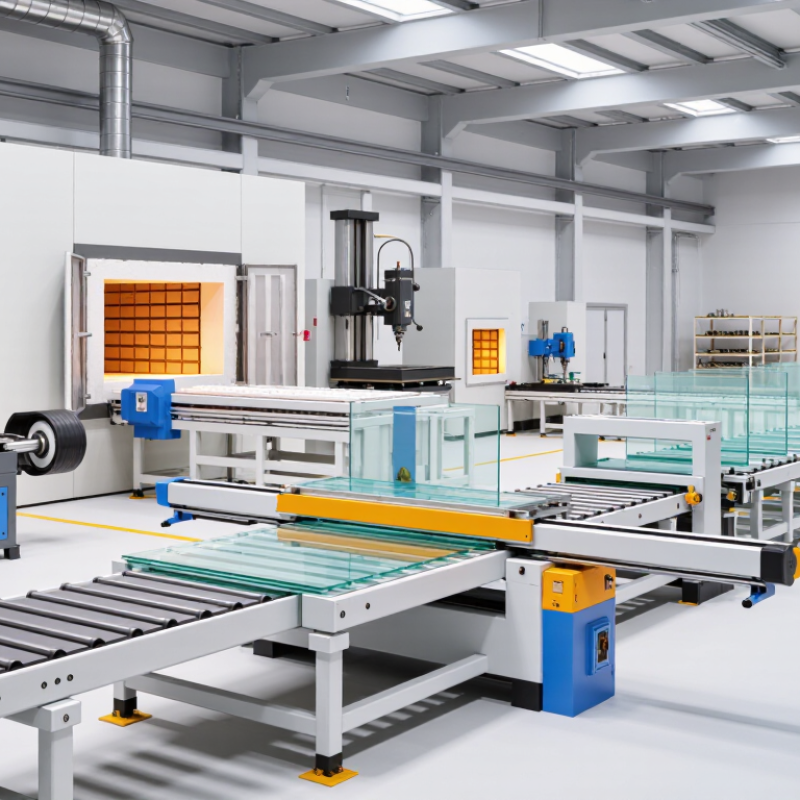
A glass machine manufacturer is a company that designs, builds, and supports equipment used to shape, cut, polish, temper, or assemble glass. It may supply one machine, such as a CNC cutting table, or plan a connected production line. The work goes beyond metal frames and motors. It includes selecting motion systems, controls, safety guards, and tools for specific glass thicknesses, panel sizes, and production needs.
Details matter. Buyers should ask how equipment manages edge quality, repeatability, changeovers, and routine maintenance. A cutting table needs stable vacuum hold-down and calibrated movement. A tempering furnace depends on controlled heating and cooling. Reliable manufacturers provide installation guidance, operator training, spare parts, and service support. These details affect uptime as much as advertised production speed.
A capable manufacturer also considers floor space, power supply, workflow, and operator experience before recommending equipment. A technically impressive machine may still be the wrong fit. I would not treat quoted capacity as a guaranteed daily result; output changes with glass type, loading, and operating habits. That difference deserves a closer look. It is easy to miss.
Types of Glass Machinery They Design and Produce
A glass machine manufacturer designs and builds equipment that turns raw materials or finished sheets into usable glass products. Its work may begin with batch preparation, where feeders and mixers deliver a consistent blend to a melting furnace. Container-glass plants use forming machines to shape hot glass into bottles and jars. Flat-glass factories rely on float lines, which carry molten glass over liquid tin to create broad, even sheets. Small details matter: uneven feeding can affect thickness, while unstable furnace temperatures can cause defects.
Downstream equipment handles cutting, edging, drilling, washing, tempering, laminating, and insulating-glass assembly. A processor might use a CNC cutting table for precise shapes, then a tempering furnace to strengthen panes for building interiors. The International Energy Agency’s glass-sector tracking data put global glass output at roughly 190 million tonnes in 2022, underscoring the scale of production these systems serve. That figure does not mean every manufacturer builds complete factory lines; many specialize in one process or retrofit existing equipment. Real operating conditions are messy. Product changes, floor space, and maintenance skills can matter as much as headline machine speed, and specifications alone rarely tell the whole story.
How Glass Machines Are Developed and Manufactured
What Is a Glass Machine Manufacturer?
How Glass Machines Are Developed and Manufactured
A glass machine manufacturer turns product requirements into equipment that can shape, cool, and inspect glass consistently. Development starts with the container or sheet design, target output, glass composition, and factory layout. Engineers then specify forming sections, feeders, motors, controls, and safety systems. These choices affect product quality and maintenance needs.
The European Commission’s 2013 Reference Document on Best Available Techniques in the Glass Manufacturing Industry describes glass-melting temperatures of roughly 1,300–1,600°C, depending on composition and process. That heat shapes furnace design and influences how molten glass reaches forming equipment. Manufacturers build and machine parts, assemble systems, then test timing, temperature control, and material flow. A trial run may expose vibration or uneven forming. Not every first run is clean. Engineers adjust settings and repeat checks before installation. This practical feedback matters; a design that works on paper may need refinement on the factory floor.
Tips: Ask how equipment is tested with your product dimensions and production targets. Request clear maintenance intervals, spare-part specifications, and operator training details. Ask about known limitations, too. Those conversations can prevent costly surprises.
Typical Temperatures in Float-Glass Production
Glass machine manufacturers design equipment to control heat at each stage of production.
Approximate process temperatures: glass is melted at about 1,500°C, formed on a tin bath near 1,000°C, and gradually cooled in an annealing lehr. Actual settings vary with glass composition and production-line design.
Industries and Processes Supported by Glass Machinery
A glass machine manufacturer serves more than bottle plants. Equipment batches silica, soda ash, and limestone, then melts, forms, anneals, inspects, and packs glass. Container lines use feeders and forming machines; flat-glass plants rely on float baths, cutting tables, and edge-processing systems. Fiber-glass makers draw molten strands through heated bushings. Tableware and laboratory-glass workshops need smaller forming and finishing equipment. Some facilities also process glass for solar modules. Different jobs, different tolerances.
FEVE’s 2022 industry statistics put European glass-container production at roughly 24.5 million tonnes. That volume requires continuous forming and inspection. The IEA’s 2023 Global Status Report for Buildings and Construction says buildings used about 30% of global final energy in 2022. This helps explain demand for coated, insulated glazing and accurate cutting, though glass alone cannot solve building energy use. Machinery suppliers support coating, tempering, laminating, and automated handling—not just melting. A practical detail: tiny edge chips can become cracks during tempering. Inspection is not infallible. Plant teams must adjust recipes, furnace conditions, and maintenance to local mixes of recycled cullet and raw materials.
How to Evaluate a Glass Machine Manufacturer
What Is a Glass Machine Manufacturer?
How to Evaluate a Glass Machine Manufacturer
A capable glass machine manufacturer should explain how its equipment fits your actual production, not just quote a maximum speed. Define the glass thickness, sheet sizes, edge profiles, and daily output you need. Then ask how the proposed cutting, edging, or tempering machine handles those conditions. Specific answers matter. Request written tolerances and clarify how performance is measured. A fast demonstration is useful, but it cannot replace sample runs using glass similar to yours. Watch for chipped edges, uneven finishes, and awkward material handling. Small flaws can become recurring costs.
Look closely at the engineering and the support behind it. Ask what components need routine replacement, how long common spares take to arrive, and whether technicians can diagnose faults remotely. Request an installation plan, operator training details, and a clear acceptance test. Speak with users whose production resembles yours, and ask what happened after the first year. A polished demo can hide a clumsy changeover. That matters. Compare energy use, floor-space needs, and cleaning access alongside the purchase price. No supplier will be perfect; I would still want to verify every promise in writing.