
Blog
What Are the Top 10 Race Bikes to Buy in 2026?
Choosing a Race Bike for 2026 means balancing speed with the roads and rides you actually have. A sleek frame may look fast under bright showroom lights, but fit, handling, and gearing matter when the pavement turns rough or a climb drags on. There is no perfect bike for every rider.
Greg LeMond, a three-time Tour de France winner, famously said, “It never gets easier, you just go faster.” The line captures racing’s appeal, but equipment alone cannot deliver speed. It has to suit you. That sounds obvious. Still, it is easy to overlook.
This guide compares ten race bikes using practical factors: frame material, geometry, weight, tire clearance, groupset, and price. It also considers how each model may feel on a fast descent, a steep climb, or a long training ride. Small details matter. A few extra millimeters of tire clearance can change comfort on broken roads; an aggressive fit can feel demanding after several hours.
Where specifications and availability differ by market, check the manufacturer’s current details before buying. The lightest bike may not be the best value, and the most aerodynamic design may not suit every rider. Some trade-offs are easy to miss in a spec sheet. Use the shortlist as a starting point, then compare fit and intended use before making your choice.
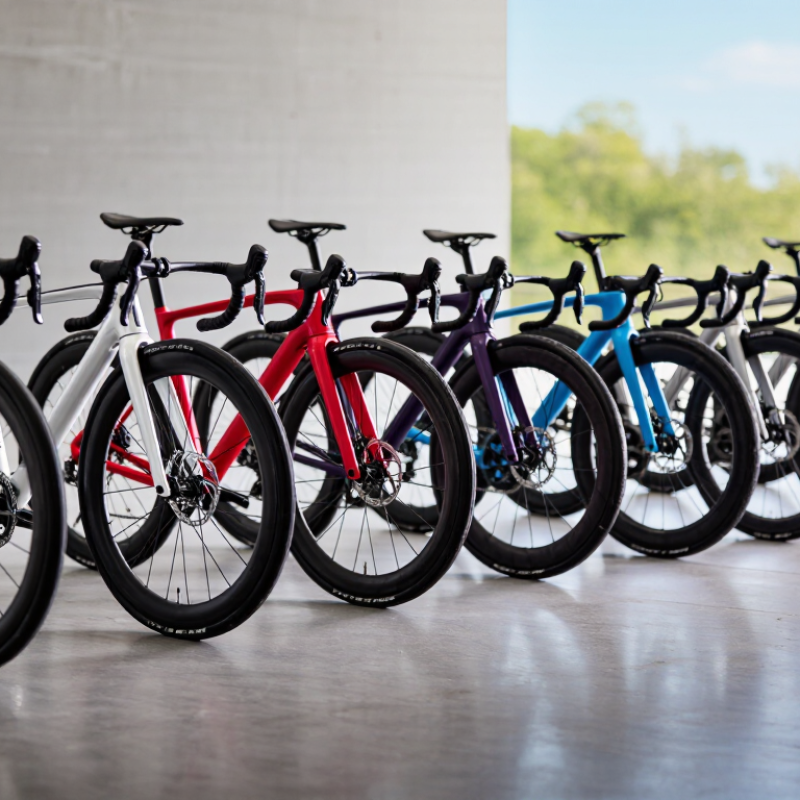
How Race Bikes Are Defined and Classified in 2026
In 2026, a race bike is best defined by its intended use, not by one frame shape. It prioritizes efficient power transfer, predictable handling at speed, and reduced aerodynamic drag. Fit matters. A bike that feels quick on paper may become tiring after two hours.
Road race bikes typically have drop handlebars, firm frames, and closely spaced gears for fast group riding. Their geometry may position the rider low and forward, while endurance-oriented models offer a more relaxed fit. Time-trial and triathlon bikes form a separate class: their aerodynamic shapes and specialized riding positions suit solo efforts, not crowded groups. Gravel race bikes are designed for rougher courses, with wider tire clearance and gearing for loose surfaces.
Classification is increasingly blurred. Some road models fit wider tires, while some gravel bikes feel light and sharp on pavement. Check the stated discipline, tire clearance, geometry, brakes, and race setup before comparing bikes. A fitter can measure reach and saddle position; a test ride can reveal what specifications miss. Small details matter. A category label is not a fit assessment, and the fastest design may not be fastest for your body. Borderline models can be hard to classify, and course rules or rider needs may change the answer.
What Are the Top 10 Race Bikes to Buy in 2026? — How Race Bikes Are Defined and Classified in 2026
“Top” depends on the event, terrain, fit, and budget. This brand-neutral guide ranks ten race-bike categories by their usefulness to different riders. Specifications and price bands are typical market ranges, not guarantees for every model; weight varies with frame size and build.
| Rank | Race-bike category | How it is defined | Typical setup | Typical complete-bike weight | Best suited to | Indicative price band (USD) |
|---|---|---|---|---|---|---|
| 1 | All-round road race | A balanced road-racing design intended to combine climbing, handling, and speed on varied courses. | Drop handlebars; 700C wheels; 2× electronic or mechanical gearing; commonly 25–32 mm tires. | About 7.0–8.5 kg | Riders wanting one bike for group rides, road races, and mixed terrain. | $2,500–$12,000+ |
| 2 | Aero road race | Uses shaped tubes and integrated components to reduce aerodynamic drag, often with a small weight or comfort trade-off. | 700C wheels; 2× gearing; deep-section wheels are common; tire clearance often around 28–32 mm. | About 7.5–9.0 kg | Fast courses, breakaways, and riders who prioritize speed on flatter roads. | $3,000–$14,000+ |
| 3 | Lightweight climbing race | Prioritizes low mass and responsive handling for sustained climbing and repeated accelerations. | 700C wheels; 2× gearing with a wide cassette option; typically 25–32 mm tires. | About 6.5–8.0 kg | Mountainous races, hilly fondos, and riders who value easy acceleration. | $3,000–$14,000+ |
| 4 | Endurance road race | A road-focused design with a more upright fit and added compliance for long, rough, or demanding rides. | 700C wheels; 2× gearing; commonly 28–35 mm tires, subject to frame and rim clearance. | About 7.5–9.5 kg | Long road events, rough pavement, and riders who prefer comfort without giving up road-racing capability. | $2,000–$9,000+ |
| 5 | Time-trial bike | A road-racing bicycle designed for solo efforts against the clock, with an aerodynamic position and dedicated aero extensions. | 700C wheels; 2× gearing; aerodynamic cockpit; tire width selected to suit the course and wheel clearance. | About 8.0–10.0 kg | Time trials and triathlon-style efforts where the rules permit this configuration. | $3,000–$15,000+ |
| 6 | Triathlon bike | A time-trial-style bike configured for non-drafting triathlon, with fit and storage choices tailored to the race distance and rules. | 700C wheels; aero extensions; 2× gearing; integrated hydration or storage may be included. | About 8.5–11.0 kg | Triathletes seeking an aerodynamic position for non-drafting events. | $3,000–$15,000+ |
| 7 | Race gravel | A gravel bike shaped for speed and race handling on unpaved routes, with clearance for wider tires than a road race bike. | 700C wheels; 1× or 2× gearing; generally 38–50 mm tires, depending on the frame and event. | About 8.0–10.5 kg | Gravel races and mixed-surface events where road tires would be too narrow. | $2,000–$10,000+ |
| 8 | Track sprint bike | A fixed-gear bicycle for velodrome racing, typically with a rigid frame and no freewheel or braking system. | 700C track wheels; single fixed gear; narrow track tires; no derailleurs. | About 7.0–9.0 kg | Velodrome sprint events and riders who need a dedicated track setup. | $1,500–$10,000+ |
| 9 | Track endurance bike | A fixed-gear velodrome bike set up for sustained efforts and bunch races, rather than maximum sprint stiffness alone. | 700C track wheels; single fixed gear; track-specific tires and cockpit. | About 7.0–9.5 kg | Points races, scratch races, and other endurance events on a velodrome. | $1,500–$10,000+ |
| 10 | Entry-level road race | A dependable, race-capable road bike that emphasizes value and serviceability over premium materials or maximum integration. | 700C wheels; usually 2× gearing; aluminum or entry-level carbon frame; commonly 25–32 mm tires. | About 8.5–10.5 kg | New racers, club riders, and buyers seeking a practical first performance road bike. | $1,000–$3,000 |
How race bikes are classified: Categories are based mainly on intended event, riding position, frame design, gearing, and tire clearance. Road, time-trial, triathlon, gravel, and track bikes serve different rules and conditions, so they are not interchangeable. For UCI-regulated road events, the minimum bicycle weight is generally 6.8 kg; event regulations and equipment approval requirements should be checked before racing. Price and weight ranges are approximate and can vary substantially by country, size, components, and model year.