10 Tips for Sourcing Machined Metal Parts?
Sourcing Machined Metal Parts involves more than comparing prices on a spreadsheet. A reliable supplier must understand your drawings, tolerances, material requirements, surface finish, and production volume. A small error in a 0.02 mm tolerance can affect assembly, performance, and delivery schedules. Details matter.
In practical sourcing work, experienced buyers examine how a supplier manages tooling, inspection, packaging, and process changes. They request material certificates, sample reports, and clear production timelines. They also ask who checks the first article and what happens when a part fails inspection. Good questions reveal more than attractive photographs.
Supplier capability matters.
A workshop may own modern CNC machines but lack stable quality controls. Another supplier may quote slightly higher while reducing rework and delayed shipments. That difference deserves careful attention. Still, no sourcing method is perfect. A polished audit cannot predict every communication problem, and an approved sample may not represent every production batch. This is where thoughtful verification becomes essential.
The following ten tips offer a practical framework for evaluating suppliers, controlling technical risks, and building dependable purchasing decisions. They cover specifications, materials, machining capability, quality evidence, communication, pricing, lead times, and long-term cooperation. Use them as a working guide, not a rigid formula. Your product, industry, and risk level may require additional checks. Asking better questions early can prevent expensive surprises later.
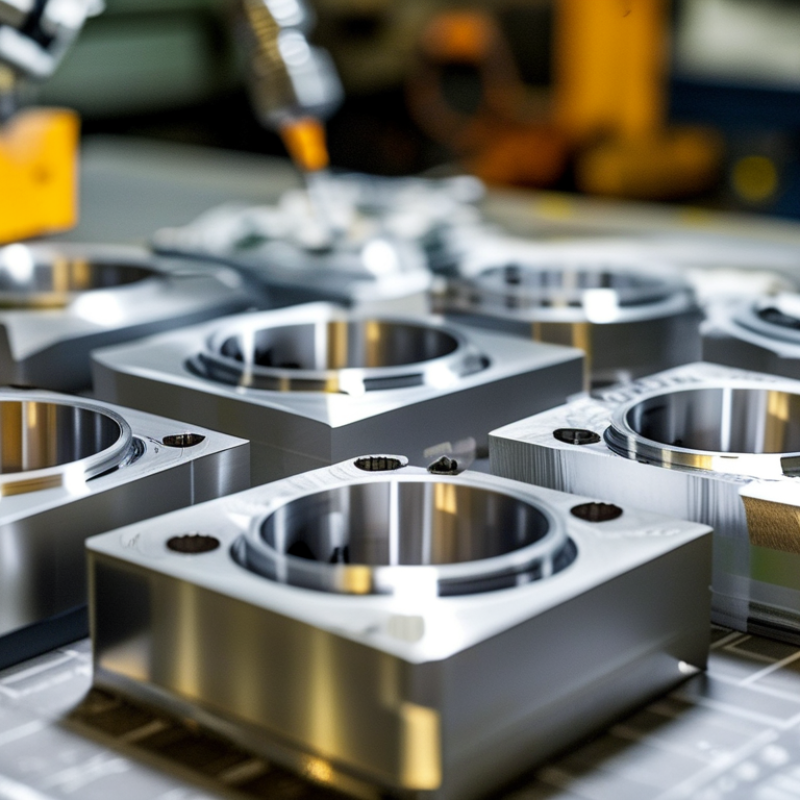
Define Part Requirements and Performance Standards
Before requesting quotes for machined metal parts, define how each part must perform. State the alloy, hardness range, surface finish, critical dimensions, and operating temperature. Add load direction, cycle frequency, corrosion exposure, and expected service life. A drawing showing ±0.01 mm everywhere may look precise, but it can inflate cost without improving function. ISO 286-1 provides a structured system for fits and tolerance grades. Use it selectively.
Performance standards should be measurable at inspection. Specify datum references, geometric tolerances, thread requirements, and acceptable visual limits. Require a material certificate, dimensional report, and coating verification when risk justifies them. The 2023 ISO Survey recorded over 1.5 million ISO 9001 certificates worldwide, showing how widely controlled quality systems are used. Certification alone is not proof of part capability. Ask for process evidence.
Connect every requirement to a test or measurement. For a shaft, define runout at a stated rotational speed. For a sealing face, define roughness using the chosen measurement method. For repeated production, request capability data for critical dimensions. A common target is Cp and Cpk of 1.33, though the correct value depends on risk and customer standards. That target is not magic. I have seen teams copy it without checking measurement uncertainty. Include sampling frequency, first-article approval, and rework limits. Leave no critical term open to interpretation.
Choose Materials, Tolerances, and Machining Processes
10 Tips for Sourcing Machined Metal Parts
Choose Materials, Tolerances, and Machining Processes
Material selection affects strength, weight, corrosion resistance, and machining cost. Aluminum suits lightweight housings, while stainless steel supports harsh environments. Brass machines easily and works well for fittings. Steel offers strength but may require protective finishing. Ask for material certificates and confirm the exact alloy before production. Small differences matter.
Define functional tolerances, not perfect-looking numbers. A shaft may need ±0.01 mm, but an exterior face often does not. Overly tight tolerances increase setup time, inspection effort, and scrap risk. Keep it functional. Specify surface roughness only where movement, sealing, or appearance requires it. Threads, holes, and mating faces deserve closer attention than hidden surfaces.
Match the process to the geometry. CNC turning fits cylindrical parts, while milling handles pockets, slots, and irregular profiles. Complex shapes may need multiple setups, which can introduce alignment errors. Design accessible features when possible. Request a first-article inspection with calibrated tools, including a coordinate measuring machine for critical dimensions. Review deburring, edge breaks, and finishing details too. One common mistake is treating the drawing as complete when it leaves these details unclear. Measure what matters. Even experienced teams miss a small assumption occasionally.
10 Tips for Sourcing Machined Metal Parts: Material Density Comparison
Material density affects part weight, shipping cost, handling, and the machining strategy. The values below are representative nominal densities for commonly machined metals and may vary slightly by alloy specification.
Sourcing tip: confirm the exact alloy grade, temper, required tolerances, surface finish, and certification requirements before requesting quotations.
Evaluate Suppliers, Capabilities, and Quality Systems
Sourcing machined metal parts requires more than comparing unit prices. Evaluate each supplier’s experience with your material, geometry, tolerances, and production volume. Ask for recent examples with similar requirements. A polished website proves little.
Visit the facility when possible. Check machine condition, calibration labels, tooling storage, and material identification. Confirm whether the supplier operates suitable turning, milling, grinding, or five-axis equipment. Review their inspection process, including coordinate measuring machines, gauges, surface testing, and first-article inspection. Ask how they control revision changes. Verify that material certificates, inspection reports, and batch records remain traceable.
Small details matter.
Examine the quality system, not just the certificate. Request corrective-action records and evidence that repeated defects are analyzed. Confirm process capability data for critical dimensions. Discuss packaging, corrosion protection, and delivery controls before placing an order. Clear drawings help, but practical feedback from machinists can reveal weak tolerances or unnecessary features.
I once approved a supplier after reviewing excellent samples, then discovered inconsistent deburring during production. The audit was too narrow. It should have included operators and finished-part handling. Trust grows through documented evidence, open communication, and consistent results. Ask difficult questions early. Be willing to reconsider your shortlist.