
skip to Main Content

What Is a Sodium Hypochlorite Generator?

A Sodium Hypochlorite Generator makes disinfectant on site by passing an electric current through salt water. The process, called electrochlorination, produces a dilute sodium hypochlorite solution for controlled use. In practical terms, an operator checks salt levels, confirms the generator is running, and monitors the disinfectant output. The equipment can reduce dependence on delivered chemical stocks, but it still needs routine inspection, suitable water, and careful process control.

The need for dependable water treatment is substantial. The WHO/UNICEF Joint Monitoring Programme reported that 2.2 billion people lacked safely managed drinking-water services in 2022. That figure is a measure of access, not a forecast of generator sales. It does, however, show why reliable disinfection systems matter. WHO drinking-water guidance also stresses effective treatment and ongoing monitoring; a generator is one tool within that wider system, not a substitute for trained staff or water-quality testing.

In this guide, we’ll explain the generator’s main components, how brine becomes disinfectant, and what operators should assess before choosing a system. Small details matter. Salt quality, ventilation, output strength, and maintenance can affect day-to-day performance. One source limitation: no verifiable quotation from a named sodium hypochlorite generator specialist was provided, so I won’t invent one or attribute a fabricated statement.
What Is a Sodium Hypochlorite Generator?

Definition and Purpose of a Sodium Hypochlorite Generator

A sodium hypochlorite generator is equipment that makes a dilute disinfecting solution on site. It typically uses salt, softened water, and electricity in an electrolytic cell. The process converts brine into a solution containing sodium hypochlorite, the active ingredient in many disinfectants. The exact concentration depends on the system and its operating conditions.

The purpose is to provide a steady supply for applications such as water disinfection and facility sanitation. A typical setup includes a brine tank, cell, controls, and a storage container. Operators may check the solution with a test kit, then adjust dosing based on water quality and demand. Small details matter. Salt purity, cell condition, and regular cleaning can all affect output.

On-site generation can reduce the need to transport and store concentrated bleach, but it still requires careful handling. The process can also produce hydrogen, so suitable ventilation and equipment safeguards are essential. The term “generator” may sound more straightforward than the work actually is: output needs monitoring, and a reading from yesterday may not reflect today’s solution.

How Sodium Hypochlorite Is Produced On Site

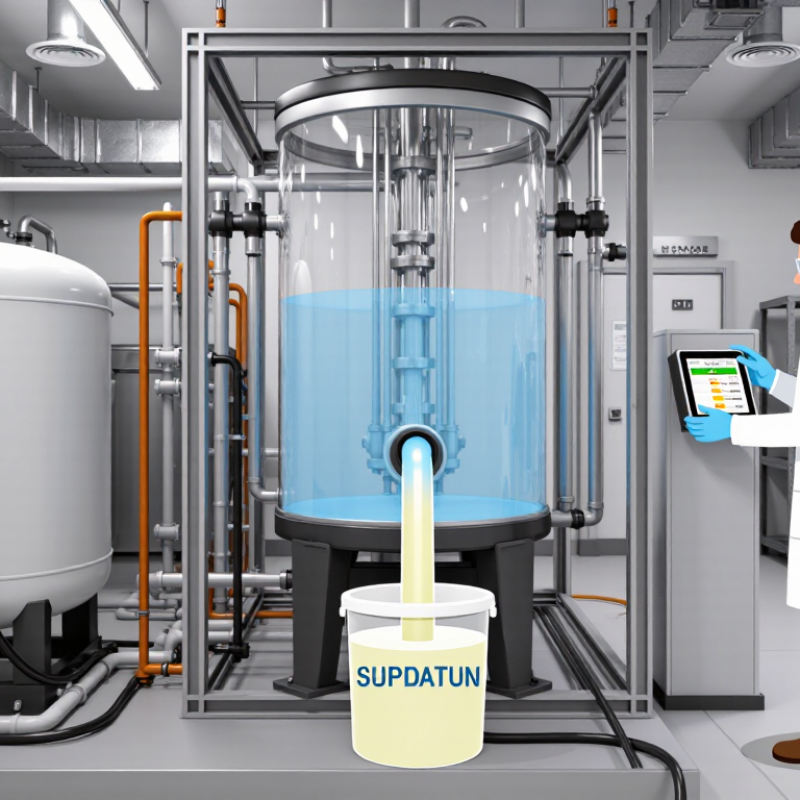
A sodium hypochlorite generator makes a disinfectant solution where it is needed, rather than relying only on stored chemical supply. On-site production commonly starts with softened water and salt dissolved into brine. A pump moves this brine through an electrolytic cell, where direct current helps form dilute sodium hypochlorite. The process also produces hydrogen gas, which must be safely dispersed. The solution then flows to a storage tank or dosing point.

Output depends on practical conditions, not just the equipment label. Salt concentration, water quality, electrical current, and cell condition can all affect production. Operators check the solution’s strength and system readings, and adjust feed rates to match demand. For example, a treatment room may need a steady dose, while a small change in flow can alter the delivered amount. Sensors help, but they do not replace routine inspection. Still, daily operation can be less tidy than a process diagram suggests; deposits and worn components need attention.

Tips: Keep salt dry and clean. Check ventilation, leaks, and alarms. Record solution strength and maintenance, and follow the equipment’s operating instructions.

Key Components of a Generator System

What Is a Sodium Hypochlorite Generator?
Key Components of a Generator System

A sodium hypochlorite generator makes disinfectant on site from salt, softened water, and electricity. Its main parts include a brine tank, water softener, electrolytic cell, and power supply. The cell is the core. It converts brine into a dilute hypochlorite solution, while producing hydrogen that needs safe venting. An EPA Alternative Disinfectants and Oxidants Guidance Manual describes this electrolysis-based approach and its operating considerations.

The solution then passes through a holding tank and metering pump into the treatment process. Flow meters, level sensors, and controls help operators match dosing to changing water demand. Materials matter: salt deposits, scale, or incompatible wetted parts can reduce performance. Small leaks matter. Routine checks of cell condition, ventilation, and pump output help catch problems early, though maintenance schedules depend on water quality and system design.

WHO’s Guidelines for Drinking-water Quality state that effective disinfection requires at least 0.5 mg/L free chlorine after 30 minutes of contact at pH below 8. This is a treatment benchmark, not a required generator output; operators must account for demand and contact conditions. A system can look simple on a diagram, yet sensor drift or an overlooked deposit may distort dosing. That deserves attention.

Common Generator Types and Configurations

What Is a Sodium Hypochlorite Generator?
Common Generator Types and Configurations

A sodium hypochlorite generator uses electricity to convert salt and water into a disinfectant solution on site. Brine-fed units dissolve refined salt before sending the solution through an electrolytic cell. Seawater systems use available seawater, so local salinity and water quality affect operation. The U.S. EPA’s Alternative Disinfectants and Oxidants Guidance Manual describes on-site systems producing solution at about 0.8% available chlorine. That is much weaker than many delivered commercial solutions, which can reduce handling risks but requires more storage volume. It is a trade-off worth calculating.

Generators also differ in how they deliver solution. Batch systems make a measured volume into a tank, then dose it as needed. Continuous systems produce solution while the disinfection process runs. Packaged skids can serve one treatment plant; smaller distributed units can supply separate dosing points. The right arrangement depends on demand swings, salt supply, maintenance capacity, and space for tanks. WHO’s Guidelines for Drinking-water Quality (2022) recommend at least 0.5 mg/L free chlorine after 30 minutes of contact at pH below 8, and at least 0.2 mg/L at delivery. Those figures guide disinfection design, not generator output settings. A common oversight is treating a stable cell output as proof of stable water disinfection. Test residuals at the point of use. Conditions change.

What Is a Sodium Hypochlorite Generator? - Common Generator Types and Configurations

Type or Configuration How It Works Typical Feed and Operation Common Applications Key Considerations
Brine-fed, on-site generator Uses electrolysis to convert a prepared salt solution into a dilute sodium hypochlorite solution. Typically uses water, salt, and electrical power. The generated solution is collected for dosing. Drinking-water and wastewater treatment, commercial facilities, and industrial process-water disinfection. Salt purity, water quality, electrical supply, ventilation, and routine cell cleaning affect operation.
Seawater electrochlorination system Electrolyzes seawater to produce a chlorine-based disinfectant solution, principally for use near the point of generation. Uses screened seawater as the electrolyte; some systems include filtration or other pretreatment. Marine cooling-water systems, ships, offshore facilities, and seawater intake systems. Performance depends on seawater temperature, salinity, suspended matter, and electrode condition. Hydrogen formed during electrolysis requires safe ventilation.
Batch configuration Produces a measured quantity of hypochlorite solution in a batch, then stores it for use. Generation and dosing are generally separate steps; production can be scheduled to match demand. Small or intermittent-demand sites, including facilities with limited chemical storage requirements. Tank capacity and batch timing must suit demand. The solution can lose strength during storage, especially with heat, light, or extended storage time.
Continuous configuration Generates solution while operating and supplies it to a day tank or directly to a dosing system. Often controlled by operating schedules, tank level, or a demand signal from the treatment process. Sites with regular or high disinfectant demand, such as municipal and industrial water-treatment facilities. Requires dependable feed-water and salt supply, suitable controls, and coordination between generation and dosing.
Skid-mounted package Arranges the electrolyzer and associated components on a common frame for installation as a packaged unit. May include a brine preparation system, power supply, controls, and connections for storage or dosing equipment. New installations and retrofit projects where a consolidated equipment package is useful. Confirm the site has adequate space, drainage, ventilation, utilities, and access for maintenance.
Modular or multi-cell system Uses multiple electrolyzer cells or modules, which may be operated together or in stages to match demand. Capacity is provided by the combined output of the active modules; arrangements vary by system design. Facilities that need scalable capacity or operational flexibility. Cell staging can support load adjustment, but controls, maintenance planning, and available standby capacity should be considered.

Applications, Handling, and Safety Considerations

A sodium hypochlorite generator makes a dilute disinfectant solution onsite, typically by passing electrical current through salt water. Water utilities, pools, and some industrial systems use it to control microbes. Its output still needs routine testing; “made onsite” does not mean risk-free.

Water operators should check concentration, pH, and contact time rather than rely on equipment settings alone. The World Health Organization’s Guidelines for Drinking-water Quality (2022) describe 0.5 mg/L free chlorine after at least 30 minutes of contact at pH below 8 as an effective disinfection condition. The required operating target depends on the water and local procedures. Small details matter. Keep the generator area ventilated, wear suitable eye and skin protection, and follow the equipment’s instructions. Hydrogen can form during electrolysis, so ventilation and electrical safeguards are essential.

Pool operators also need frequent measurements. The US Centers for Disease Control and Prevention advises at least 1 ppm free chlorine in pools and 3 ppm in hot tubs, with pH maintained between 7.0 and 7.8. Store produced solution in compatible, clearly labeled containers, away from acids and ammonia; never mix cleaning chemicals. A generator is not a set-and-forget device. Sensors drift, salt levels change, and a clean-looking tank can still have inadequate disinfectant residual. Regular calibration and recorded test results help catch those quiet failures.