What is a Smart Plug Outlet and How Does It Work?
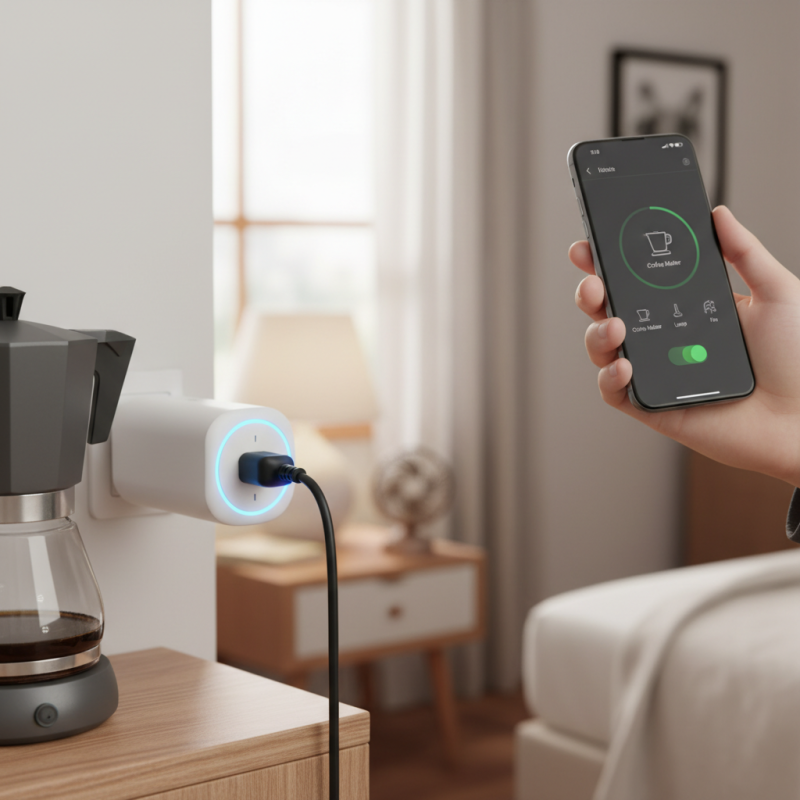
Smart Plug Outlet technology has transformed how we interact with our everyday devices. These innovative plugs connect to Wi-Fi, allowing users to control appliances remotely via smartphones or voice assistants. The convenience is undeniable. Imagine turning off a lamp from your bed or scheduling a coffee maker to start brewing at dawn.
However, while smart plugs offer ease, their effectiveness depends on proper setup and security measures. It's crucial to choose reliable brands that prioritize user privacy. The market is flooded with options, but not all smart plugs are created equal.
Understanding how a Smart Plug Outlet works can enhance your home. Yet, it's essential to reflect on the potential drawbacks. For instance, compatibility issues may arise with older devices. Additionally, some users might experience connectivity problems. As we explore this topic, we'll delve deeper into the intricacies and benefits of Smart Plug Outlets, while also acknowledging their limitations.
What is a Smart Plug Outlet?
Smart plug outlets are innovative devices that enhance the convenience of household management. These small gadgets plug directly into your wall outlet, enabling you to control connected devices remotely through a smartphone app. Imagine adjusting the coffee maker from your bed or turning off a lamp after you've left the house. This level of automation can transform daily routines.
Functionally, smart plug outlets operate over Wi-Fi or Bluetooth, allowing seamless communication with your smartphone. Once connected, users can set schedules, monitor energy usage, and even enable voice control if integrated with a smart home system. However, not all devices are compatible with these plugs. You might need to double-check specifications. Users sometimes find challenges in connectivity. This often leads to frustration when troubleshooting the same issue repeatedly.
Additionally, while smart plugs provide numerous benefits, they can pose security risks. Poorly secured devices may expose your home network to vulnerabilities. It's essential to prioritize security when setting up these devices. Consider regularly updating passwords and checking for firmware updates.
With the right approach, smart plug outlets can be a valuable addition to your home, blending convenience with modern technology.
Key Features of Smart Plug Outlets
Smart plug outlets have transformed how we interact with our home appliances. These devices are compact and easy to install. Once plugged in, users can control their devices through a smartphone app or voice commands. This versatility enhances user convenience and enables remote access.
One key feature of smart plugs is scheduling. You can set specific times for appliances to turn on or off. This helps save energy and ensures your devices operate when needed. Energy monitoring is another essential element. Users can track consumption patterns and receive insights, aiding in better energy management.
Compatibility adds to their appeal. Many smart plugs work seamlessly with popular smart home ecosystems. However, some users may find setting up connects challenging. It requires a stable Wi-Fi connection. Users should also consider the load limits, as overloading can cause safety hazards. Understanding these aspects will enhance user experience while promoting responsible usage.
How Smart Plug Outlets Work: Technology Explained
Smart plug outlets are innovative devices that transform ordinary electrical outlets into smart technology hubs. They allow users to control home appliances remotely through smartphones or voice commands. According to a report by Statista, the smart home market is expected to reach over $100 billion by 2025, showing a clear trend toward automation and convenience in daily life.
These smart devices use Wi-Fi or Bluetooth to connect to your home network. When connected, you can turn devices on or off, set timers, or monitor energy usage. The convenience is evident. For instance, you can schedule your coffee maker to brew at 7 AM. Yet, it is essential to consider potential pitfalls, like network security risks associated with connected devices.
Tips: Always ensure your home Wi-Fi network is secure. Use strong passwords and consider changing them regularly. Don’t forget to check the energy consumption of connected devices. Monitoring can help identify energy hogs that inflate your bills unexpectedly. Small adjustments can lead to significant savings over time.
Benefits of Using Smart Plug Outlets
Smart plug outlets have transformed the way we interact with our appliances. These small devices allow users to control power usage remotely, providing convenience and improving energy efficiency. Imagine being able to turn off lights or electronics from your smartphone, even when you’re away from home. This level of control leads to easier management of energy consumption and can reduce electricity bills over time.
The benefits of using smart plug outlets extend beyond mere convenience. They can enhance home security by allowing you to program devices to turn on and off while you’re on vacation. This helps to create the appearance that someone is home, deterring potential intruders. Additionally, smart plugs can also help in reducing energy waste. By scheduling devices to power down during idle times, you can minimize unnecessary energy consumption. However, it’s crucial to remember that excessive dependence on technology can sometimes lead to technical difficulties. Regular maintenance and updates might be required to ensure optimal performance.
Common Applications of Smart Plug Outlets
Smart plug outlets offer practical solutions for everyday needs. They enhance convenience by allowing users to control devices remotely via smartphones or voice commands. This feature simplifies managing lights, fans, or even coffee makers. You can turn them on or off from anywhere. Imagine coming home to a well-lit room or a hot pot of coffee ready for you.
Another common application involves energy management. Smart plugs provide insights into power consumption. This helps identify which devices consume the most energy. Over time, using this data can lead to more sustainable habits. You might notice that keeping certain appliances plugged in wastes electricity. With this knowledge, changes can be made to reduce waste.
Timer settings are also a useful feature. You can set routines for devices based on your daily schedule. This means reducing energy usage when you're not home. However, configuring these settings can be tricky for some users. Not all plugs integrate seamlessly with all devices. Testing and adjusting settings is often necessary, and this trial-and-error process can be frustrating for those less tech-savvy.