What is a Robotic Coffee Shop and How Does it Work?
In recent years, the concept of a Robotic Coffee Shop has gained immense popularity. This innovative idea combines technology with the traditional coffee experience. It promises efficiency and convenience, captivating coffee enthusiasts and tech lovers alike. Robots meticulously prepare each drink, ensuring precision and consistency.
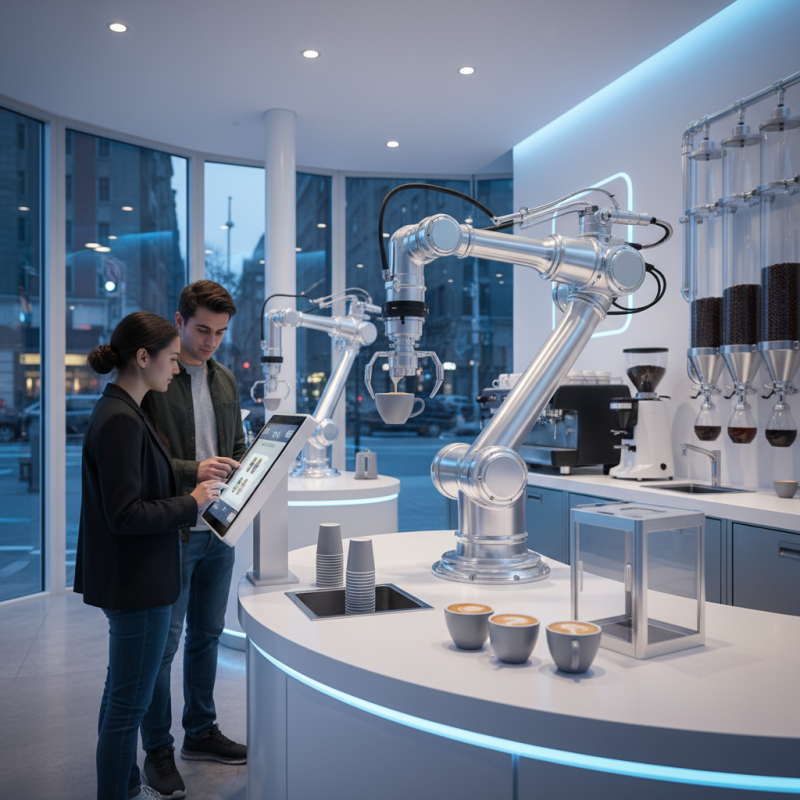
These establishments often feature sleek, modern designs. Customers can simply place orders via an app or a digital kiosk. This streamlines the process, allowing patrons to enjoy their beverages without long wait times. Yet, some question the personal touch often missing in a robotic environment. Will customers miss the warmth that human baristas provide?
Despite these concerns, Robotic Coffee Shops are on the rise. They offer a unique blend of speed and quality. However, they also present a challenge to traditional coffee culture. As more people embrace this trend, the debate over automation in everyday tasks intensifies. The future of the coffee industry may forever change as we explore the capabilities of robotic technology.
Overview of Robotic Coffee Shops: Definition and Evolution
Robotic coffee shops represent a significant innovation in the food service industry. These automated establishments use robotics and AI to prepare and serve coffee quickly and efficiently. They have evolved from simple vending machines to fully interactive systems. According to a recent report by MarketsandMarkets, the global market for automated coffee machines is expected to reach $1.2 billion by 2025. This growth highlights the increasing consumer interest in convenience and quality.
The concept has transformed how we think about coffee shops. Customers can now order beverages via an app, which connects with a robotic barista to create their desired drink. The robotics ensure precision in measurements, resulting in consistent quality. However, this process raises questions about human interaction. Some people miss the personal touch that a barista provides.
Challenges such as maintenance and technical issues are also prevalent. Malfunctions can disrupt service, leading to dissatisfaction. It's crucial for businesses to balance efficiency and customer experience. As the industry progresses, there will be a need for continuous refinement. Integrating feedback from users can enhance both functionality and service quality, ensuring that robotic coffee shops meet evolving consumer expectations.
Key Technologies Behind Robotic Coffee Shop Operations
Robotic coffee shops are transforming how we enjoy our morning brew. These establishments utilize advanced technologies to automate the entire coffee-making process. At the heart of their operation is a combination of robotics, artificial intelligence, and IoT devices. Robots precisely measure ingredients, brew coffee, and even serve it to customers. This level of automation ensures consistency and speed, catering to bustling crowds efficiently.
Key technologies include vision systems that help robots identify orders and select the right ingredients. Sensors monitor brewing parameters to maintain optimal flavor profiles. On the backend, data analytics aids in inventory management and predicting customer preferences. Yet, there are challenges. Sometimes machines malfunction, leading to customer frustrations. Human oversight is crucial for troubleshooting. The balance between automation and personal touch remains a topic of debate. As we embrace these innovations, we must reflect on how they impact the coffee culture we cherish.
How Customer Interaction Works in a Robotic Coffee Shop
Robotic coffee shops are transforming the way customers interact with their favorite beverage. Instead of humans behind the counter, automated systems take charge of brewing delicious coffee. According to a report by the International Journal of Hospitality Management, 58% of consumers are intrigued by automated service experiences, highlighting a growing acceptance of technology in everyday life.
In these shops, customers place their orders via a touchscreen interface or a mobile app. This allows for a streamlined experience. With real-time updates, patrons can see their drinks being prepared. However, this technology isn't flawless. Some have expressed concerns about the lack of personalized service. A survey from the National Coffee Association revealed that 72% of coffee drinkers prefer a barista's touch, indicating a desire for human interaction even in an automated setting.
As robotic shops gain popularity, customer feedback is critical. Many shoppers report satisfaction with speed but miss the warmth of human connection. A balance between automation and personal service could enhance the experience. Current technology meets efficiency but raises questions about emotional engagement. The future of coffee shops may hinge on how well these systems adapt to meet customer expectations while maintaining a personal touch.
Advantages and Disadvantages of Robotic Coffee Shops
Robotic coffee shops are a fascinating innovation in the food service industry. They leverage automation to prepare and serve coffee. This concept offers many advantages. One key benefit is consistency. Machines can produce beverages to perfect specifications, ensuring the same flavor every time. They also operate efficiently. With robotics, service speed increases, reducing wait times for customers.
However, there are drawbacks to consider. The first is the lack of human interaction. Many customers enjoy a personal touch while ordering their coffee. This experience is often missing in robotic settings. Additionally, maintenance issues can arise. When machines malfunction, service disruptions occur. This can frustrate customers, especially during peak hours.
Another concern is the initial investment. Setting up a robotic coffee shop may require significant capital. This can be a barrier for small business owners. While the technology can reduce staffing costs in the long run, it may not be feasible for everyone. As with any emerging trend, reflection on both benefits and challenges is crucial. Balancing automation with customer experience remains vital in this evolving landscape.
What is a Robotic Coffee Shop and How Does it Work? - Advantages and Disadvantages of Robotic Coffee Shops
| Feature | Description |
| Automation | Robotic coffee shops utilize machines for brewing, serving, and payment processing, reducing labor costs. |
| Speed | Robots can prepare coffee quickly, often in under a minute, improving efficiency during peak hours. |
| Consistency | Machines ensure that every cup of coffee is brewed to the same standards, maintaining quality. |
| Customer Interaction | Limited human interaction can reduce personal customer service, which some patrons may miss. |
| Maintenance | Robotic systems require regular maintenance and troubleshooting, leading to potential downtime. |
| Customer Experience | The novelty of robotic service can attract tech-savvy customers, but traditionalists may prefer human interactions. |
| Initial Investment | Implementing robotic systems requires high upfront costs for equipment and technology. |
| Scalability | Robotic coffee shops can be scaled to multiple locations with identical setups, streamlining operations. |
Future Trends and Innovations in Robotic Coffee Shop Industry
The robotic coffee shop industry is evolving rapidly. Innovations in automation and artificial intelligence are changing customer experiences. Baristas are now robots that can brew coffee with precision. These machines can also customize drinks based on individual preferences.
Future trends point towards integrating more advanced technology. Some robotic systems may learn from customer feedback, making adjustments to recipes over time. Imagine a coffee shop where a robot remembers your last order and suggests new flavors. However, challenges remain. There are questions about consistency and the human touch in service.
Customers may miss the personal interaction with a human barista. The charm of small talk with a barista holds value. As technology advances, striking a balance between efficiency and a warm customer experience will be critical. The future of robotic coffee shops may offer innovation but also requires ongoing reflection on human connection.
Robotic Coffee Shop Trends: Automation Impact Over the Years
This bar chart illustrates the growing number of robotic coffee shops from 2019 to 2023, highlighting the significant increase in automation within the coffee shop industry over the years.