How to Find the Best Plastic Tarpaulin Supplier in China?
Choosing the right Plastic Tarpaulin supplier in China takes more than comparing quotations. A low price can hide uneven coating, weak hems, or inconsistent fabric weight. Small details matter. A tarp that feels sturdy on a sunny factory floor may crack after months outdoors.
The OECD’s Global Plastics Outlook reports that global plastics production reached 460 million tonnes in 2019, while plastic waste reached 353 million tonnes. These figures describe plastics broadly, not tarpaulin demand. They do, however, underline why buyers should ask about material composition, durability, and production controls rather than rely on vague “eco-friendly” claims. Clear evidence matters.
For a fair supplier comparison, specify GSM, fabric construction, coating thickness, dimensions, color, and intended exposure. Request test results for tensile strength, tear resistance, and UV performance, with methods and sample details stated. Ask how the factory checks seams, eyelets, and batch consistency. A sample is useful, but it cannot prove every production run will match. And yes, it can mislead.
Review the supplier’s manufacturing experience, inspection process, lead times, packaging, and export references. Verify certificates with the issuing organization where practical, and arrange independent inspection for high-volume orders. Compare written specifications, not just catalog photos. A careful supplier should explain limitations and provide traceable documentation. The best choice is not always the cheapest or most polished. Sometimes, the right questions reveal more than a factory tour.
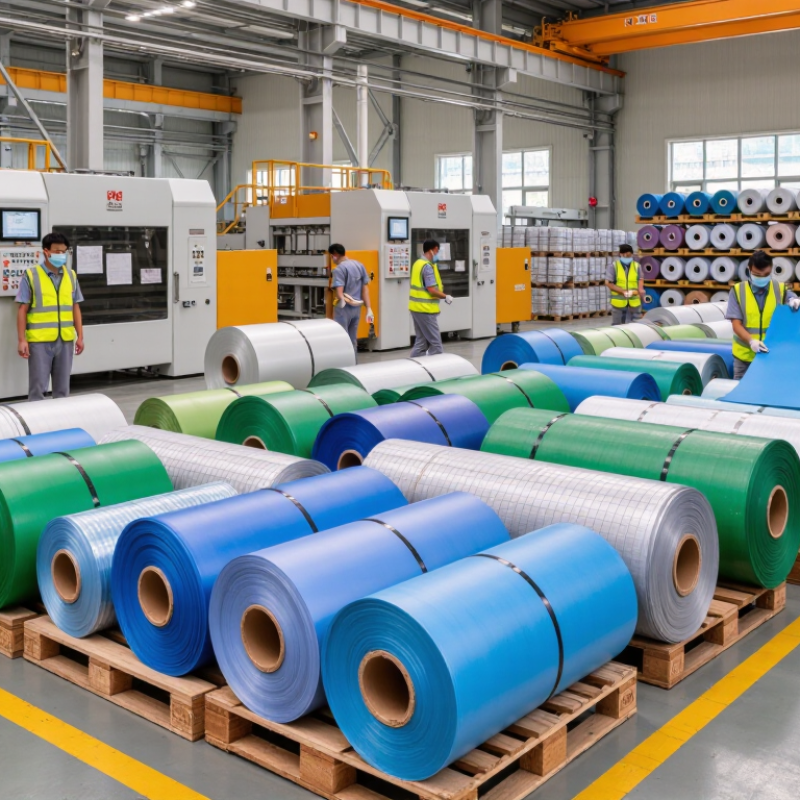
Define Your Plastic Tarpaulin Requirements
Before contacting a plastic tarpaulin supplier, describe the job the sheet must do. Will it cover goods outdoors, line a pond, or protect equipment during storage? Each use calls for different material, coating, and reinforcement. Not just color. Record the covered area, expected exposure to sunlight, rain, wind, and temperature changes, and how often the tarp will be moved.
Specify finished length and width, including any acceptable size tolerance. State the material type, target weight in grams per square metre, thickness, and whether both sides need coating. Weight alone can mislead: two tarpaulins with similar GSM may perform differently because their fabric and coating differ. Note practical details too, such as reinforced edges, rope hems, and grommet spacing. Small details matter.
A common planning mistake is asking for “heavy-duty” material without defining what that means in daily use. That description leaves room for mismatched expectations. If the tarp will face strong sun, request relevant UV-resistance information; if it will hold water, clarify the expected load and installation method. Ask for a sample or test data before placing a large order. Requirements may still change after testing, and that is worth admitting early. It is better to revise a specification than to pay for a tarp that fits the description but not the job.
Identify and Screen Potential Chinese Suppliers
Start with a shortlist from trade directories, industry exhibitions, and referrals from importers or fabricators. Look for factories that regularly make the tarp type you need, not just general plastic products. Ask how long they have produced tarpaulins and which stages they handle in-house, such as weaving, lamination, cutting, and eyelet fitting. Details matter.
Send each candidate the same specification: finished size, fabric weight, coating type, color, UV exposure, and expected use. Ask for recent product photos, a sample, and test reports that match the proposed material. Check that report dates and product details are consistent. A certificate alone may not describe the tarp you will receive. Ask for proof.
Evaluate the sample in practical ways. Measure its thickness and weight, inspect seams and eyelets, and expose a small piece to water. For outdoor use, ask how the supplier assesses UV resistance and share the conditions the tarp must withstand. Request a written quotation with tolerances, packaging, lead time, and sample-to-order differences. Vague replies are worth clarifying. They are not always a deal-breaker, but they can reveal gaps in process control. If possible, arrange a video factory tour or an independent inspection before a large order. Record each supplier’s answers in one comparison sheet; small inconsistencies are easy to miss.
How to Find the Best Plastic Tarpaulin Supplier in China?
Identify and screen potential suppliers using a consistent evaluation scorecard.
The percentages are suggested score weights for a supplier-screening framework, not survey results or market statistics. Verify product specifications with test reports and samples, and check production controls, capacity, export documents, commercial terms, and communication before making a decision.
Evaluate Product Quality and Manufacturing Capabilities
When assessing a plastic tarpaulin supplier in China, request a sample from a normal production run, not only a handpicked piece. Check its weight per square metre, coating uniformity, edge finish, and reinforced eyelets. Rub the surface and inspect the seams; thin spots and loose stitching can be easy to miss. Small details matter. Ask for test records covering tensile strength, tear resistance, and water resistance. ASTM D751 includes methods for testing coated fabrics, while ISO 4892-3 addresses fluorescent UV exposure of plastics. These standards help make supplier claims more comparable, but they do not replace checking the actual product.
Manufacturing capability shows in repeatability. Ask how the factory controls coating thickness, fabric tension, sealing temperature, and batch inspection. Request dated results linked to the sample’s production lot, and compare more than one batch if possible. I would not treat one flawless sample as proof; that is an easy assumption to make. The OECD’s Global Plastics Outlook reports that 353 million tonnes of plastic waste were generated worldwide in 2019, with only 9% recycled. This is not a tarpaulin quality measure, but it makes material traceability worth checking. Ask suppliers to identify resin sources and disclose any recycled content, then confirm that the same specifications apply to bulk orders. A tidy certificate alone is not enough.