
Blog
Top 10 Fass Fuel Heater FAQs for Global Buyers
Cold-weather fuel problems rarely begin with the heater alone. Wax crystals, restricted filters, battery weakness, and unsuitable fuel can all contribute. The National Renewable Energy Laboratory’s 2016 Biodiesel Handling and Use Guide (NREL/TP-5400-43672) explains that biodiesel blend and feedstock influence cold-flow properties. In practice, that means a temperature limit from one vehicle may not suit another. There is no universal setting.
For global buyers, a Fass Fuel Heater FAQ should clarify fitment, power draw, installation location, fuel compatibility, and maintenance. Check the exact engine and fuel-system configuration before choosing a model. A heater may help warm fuel near a filter or supply line, depending on its design. It cannot fix contaminated fuel, a clogged filter, or a weak electrical system. Small details matter: connector type, wire routing, and access for filter changes.
Regional conditions matter, too. The U.S. Energy Information Administration’s Winter Fuels Outlook tracks how weather can affect seasonal fuel demand and supply planning. It is not a product test, but it reinforces the need to assess local operating conditions. Buyers should compare manufacturer specifications with their own duty cycle and consult a qualified installer when fitment is uncertain. Some questions remain vehicle-specific. That is worth admitting. The answers below focus on practical checks, credible specifications, and limits buyers should verify before purchase.
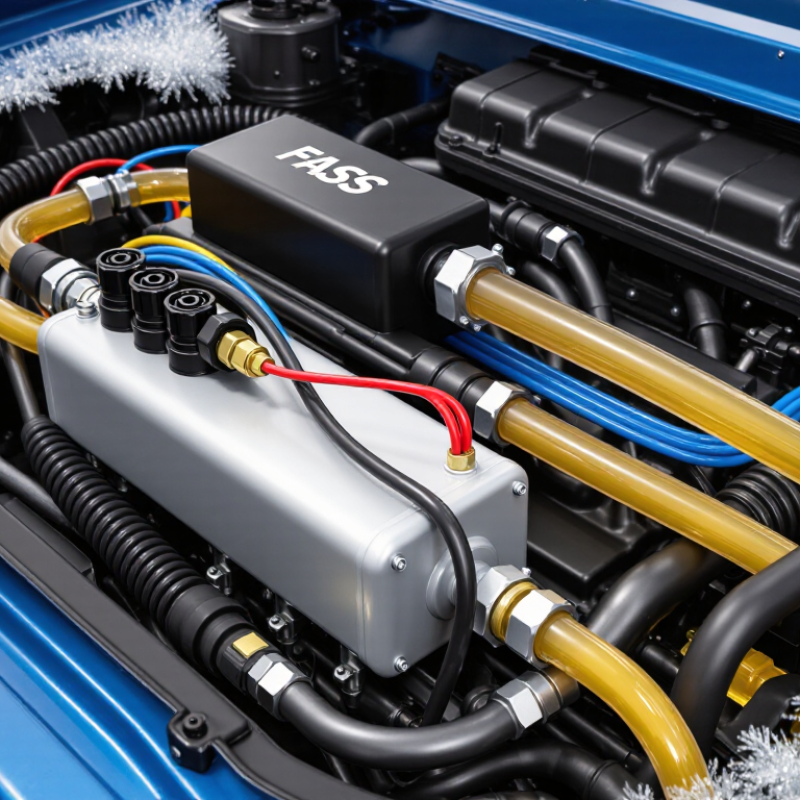
What Is a FASS Fuel Heater and How Does It Work?
A fuel heater is a device that adds heat to diesel near a filter or water separator. In common designs, an electrical element warms a small fuel passage. A thermostat or control switch may regulate power, though layouts differ. The goal is to limit wax crystals restricting fuel flow in cold weather. It does not heat the entire tank. Think of a cold morning: the tank may still contain cold fuel while the filter area receives targeted warmth.
Cold-flow limits depend on the fuel, not just the heater. The U.S. Department of Energy’s National Renewable Energy Laboratory, in its Biodiesel Handling and Use Guide, reports typical cloud-point ranges of about -15°C to 5°C for petroleum diesel and 0°C to 15°C for B100. These are broad ranges, not guarantees for a particular batch.
That is the catch. A heater cannot replace seasonally suitable fuel, sound filtration, or checking electrical capacity.
Buyers should confirm the heater’s voltage, power draw, sensor location, and fit with their specific fuel system. Even a well-designed heater may not solve every cold-start problem.
Which Engines and Fuel Systems Are Compatible With a FASS Heater?
A fuel heater may suit many diesel engines, but compatibility depends on the complete fuel system, not just engine size. It can be considered for pickup trucks, vans, agricultural equipment, and commercial vehicles using diesel. Gasoline systems are not suitable unless a heater is specifically rated for that fuel. Check the system. Confirm the heater’s approved fuel type, electrical voltage, current draw, and flow capacity against the vehicle specifications. A 12-volt unit, for example, should not be assumed to fit a 24-volt vehicle.
Mechanical injection and common-rail systems may both be candidates, but their layouts and pressure-sensitive components differ. The heater’s specified installation point matters; follow its instructions rather than choosing a location by convenience. Check clearance around fuel lines, filters, wiring, and hot engine parts. Details matter. In cold weather, waxed or gelled fuel can restrict a filter, so heating the wrong section may not solve the problem. I have seen buyers focus on engine codes and overlook voltage or line size; it is an easy mistake. Compare the heater documentation with the engine and fuel-system manual, and ask a qualified diesel technician to verify uncertain fittings or electrical connections before installation.
Top 10 Fass Fuel Heater FAQs for Global Buyers - Which Engines and Fuel Systems Are Compatible With a FASS Heater?
| FAQ | Compatibility overview | What to verify |
|---|---|---|
| 1. Which engines can use a diesel fuel heater? | A heater designed for diesel fuel may be suitable for many compression-ignition engines, including light-duty, heavy-duty, agricultural, construction, and stationary engines. | Confirm the heater’s approved fuel, flow capacity, electrical requirements, and installation instructions for the specific engine and vehicle. |
| 2. Does it work with common-rail diesel engines? | Potentially. Common-rail systems can be compatible when the heater is fitted on the low-pressure fuel-supply side and is approved for that application. | Do not install a heater on the high-pressure rail or injector lines. Follow the engine manufacturer’s fuel-system requirements. |
| 3. Can mechanical injection systems use a fuel heater? | Many mechanical diesel systems can use an appropriately rated heater in the supply circuit, subject to the system’s layout and fuel-flow needs. | Check line size, pump configuration, maximum fuel flow, and whether the installation could restrict fuel delivery. |
| 4. Is a diesel heater suitable for gasoline engines? | Not unless the heater is specifically designed and approved for gasoline. A diesel-only heater should not be assumed safe or compatible with gasoline. | Verify the stated fuel type and applicable safety approvals before installation. Never substitute fuel types based only on similar plumbing. |
| 5. Can it be used with biodiesel or blended diesel? | Compatibility depends on the heater’s material specifications and the permitted blend. Biodiesel blends can have different material and cold-weather characteristics from petroleum diesel. | Check the heater’s approved blend limit and the engine manufacturer’s fuel guidance. Do not assume compatibility with every biodiesel percentage. |
| 6. Does a 12-volt heater work on a 24-volt vehicle? | Only if the heater is rated for the vehicle’s electrical system or is installed with an approved voltage-conversion arrangement. | Match the heater’s rated voltage, current draw, fuse, wiring, and control circuit to the vehicle. Incorrect voltage can damage equipment or create a hazard. |
| 7. Where should the heater be installed? | Placement depends on the heater design. Many fuel heaters are installed in a low-pressure supply line or at a specified filter location. | Use the supplied application instructions. Keep the heater away from high-pressure components, excessive heat, moving parts, and locations that violate vehicle requirements. |
| 8. Will it fit every fuel filter or water separator? | No. Filter housings, ports, thread types, line sizes, and available mounting space vary across engines and vehicles. | Check connection dimensions, flow direction, sealing method, clearance, and whether the filter or separator manufacturer permits the proposed modification. |
| 9. Is a fuel heater compatible with marine or off-road engines? | It may be, but marine, off-road, and other regulated applications can have additional installation, environmental, or electrical requirements. | Confirm local regulations, required approvals, enclosure and wiring suitability, and the engine or vessel manufacturer’s instructions. |
| 10. What information is needed to confirm compatibility? | Compatibility cannot be determined from engine type alone. The complete fuel-system configuration and heater specifications must be considered together. | Provide engine and vehicle details, fuel type and blend, system voltage, fuel-line or filter arrangement, required flow, and the heater model’s technical documentation. |
How Should Buyers Choose the Right Heater for Their Climate?
Climate should guide heater selection more than headline wattage. A unit suited to mild winters may struggle when a vehicle sits outside overnight in subzero temperatures. Cold starts are costly. Check expected overnight lows, wind exposure, tank location, and the temperature at the fuel filter. Fuel type matters too. Diesel blends and seasonal formulations can behave differently near their cloud point. Compare a heater’s operating limits with the coldest conditions the vehicle actually faces, not just a regional average.
In mild climates, a modest heater may be enough when the vehicle is sheltered and starts daily. In deep-freeze regions, long parking periods and exposed fuel lines can require more capacity and careful placement. Do not choose by the coldest number alone. Confirm voltage, current draw, mounting compatibility, and fuel-flow requirements against the vehicle specifications. A qualified installer can check wiring protection, fuel connections, and clearance from heat-sensitive parts. Small details matter.
One limitation: climate charts cannot predict every stop, altitude change, or fuel batch. Keep a simple log of overnight temperatures, start quality, and filter behavior after installation. If performance improves only slightly, reassess heater placement and system condition before buying a larger unit. A heater cannot fix water contamination, blocked filters, or unsuitable fuel. It is a less exciting answer, but it can prevent expensive guesswork.
Choosing a Fuel Heater for Cold Climates
EN 590 temperate-climate diesel classes: maximum CFPP temperature (°C)
Use the locally supplied fuel’s CFPP specification alongside the lowest expected ambient temperature when selecting a heater. CFPP is a laboratory filterability limit, not a guaranteed operating temperature; fuel formulation, storage, and system design also affect cold-weather performance. For arctic conditions, check the applicable local fuel specification.
What Are the Key Steps for Installation and Maintenance?
Before installing a fuel heater, confirm that its voltage, fuel type, and flow direction match the vehicle and heater instructions. Work with the engine off and cool, in a well-ventilated area away from ignition sources. Never guess. Mount the unit securely, keep fuel lines clear of exhaust heat and moving parts, and use fittings rated for the fuel system. Follow the vehicle wiring diagram and specified fuse rating; protect wires from sharp edges and moisture. After installation, prime the system as directed, then inspect every connection for seepage before driving.
Maintenance starts with regular visual checks. Look for damp fittings, cracked or hardened hoses, loose clamps, corroded terminals, and damaged insulation. Small checks matter. Replace filters or service parts at the intervals stated for the specific unit, not by assumption. In cold weather, confirm the heater operates as intended and that the fuel remains suitable for local conditions; a heater cannot correct every fuel or maintenance problem. A tidy installation can still conceal a pinched line, so recheck routing after the first drive. If a leak, unusual electrical smell, or repeated fuse failure appears, stop using the heater and have a qualified technician inspect it.
How Can Global Buyers Check Safety, Shipping, and Troubleshooting Needs?
Before ordering a fuel heater, match its voltage, current draw, temperature range, and fuel-system location to the vehicle. Check the wiring diagram, fuse rating, connector protection, and installation clearances. Ask for test records and clear instructions for cold-weather operation. A heater cannot correct contaminated fuel or a blocked filter. Never bypass a fuse or thermal cutoff during troubleshooting.
Fuel choice matters. The U.S. National Renewable Energy Laboratory’s Biodiesel Handling and Use Guide reports that biodiesel cloud points can range roughly from -3°C to 15°C, depending on feedstock. Confirm the actual blend and expected minimum temperature; a heater’s rating alone is not enough. For shipping, request moisture-resistant packaging, corrosion protection, and written handling details. UNCTAD’s Review of Maritime Transport 2024 states that over 80% of world trade by volume travels by sea, so allow for transit delays and inspect cartons and electrical connectors on arrival.
Start troubleshooting with a cold engine: check battery voltage, fuse continuity, ground connection, and fuel-filter condition. Manuals can be frustratingly vague. Record the ambient temperature and symptoms before contacting technical support.
