
Blog
How to Choose the Right Mechanical Seals in 2026?
Choosing the right Mechanical Seals in 2026 requires more than comparing prices or browsing product catalogs. A seal may look suitable on paper, yet fail beside a hot pump, abrasive slurry, or unstable shaft. The real decision begins with operating conditions, maintenance records, and the consequences of leakage.
Michael M. Hunt, a respected mechanical seal engineering specialist, has stated, “A mechanical seal is only as reliable as the system around it.” This principle remains highly relevant. Shaft runout, vibration, pressure changes, installation quality, and poor alignment can damage even a premium seal. Therefore, buyers should examine temperature, pressure, speed, fluid chemistry, solids content, and equipment design before selecting materials or configurations.
In 2026, engineers are also considering energy efficiency, emissions control, predictive maintenance, and longer service intervals. Balanced designs, advanced carbon faces, silicon carbide, tungsten carbide, and improved elastomers can support demanding applications. However, advanced materials do not solve every problem. A costly seal may perform poorly when the pump operates outside its intended range.
Look beyond the catalog.
A practical selection process should compare lifecycle cost, spare-part availability, supplier expertise, installation support, and documented test results. Ask for evidence, not confident promises. Review failure patterns from similar equipment. A small detail, such as dry running during startup, can change the entire recommendation.
No checklist is perfect. Some assumptions may still be wrong. Real field conditions often expose weaknesses that laboratory data cannot show. The strongest choice combines verified engineering data with experienced judgment, careful installation, and honest review after operation begins.
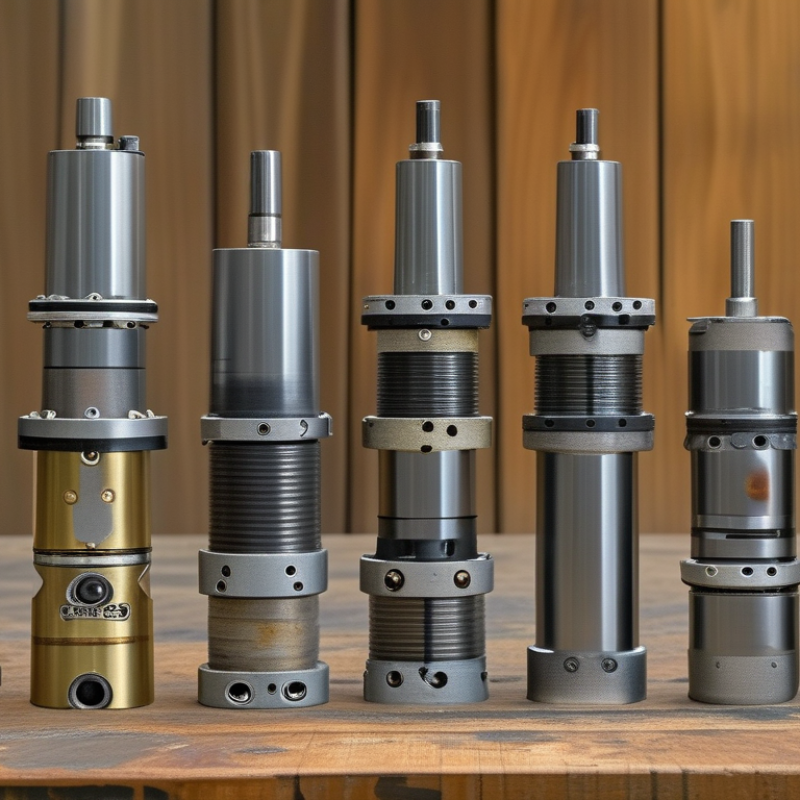
Understanding Mechanical Seal Types and Their Operating Principles
Mechanical seals prevent leakage where a rotating shaft passes through a stationary housing. Their performance depends on how the faces meet, not simply on material cost. In field inspections, a thin, even liquid film usually separates the faces and limits heat. Too much film can leak; too little creates friction, scoring, and rapid failure. Small details matter.
A pusher seal uses a spring-loaded secondary seal that moves along the shaft. It tolerates some wear, but deposits can restrict movement. A non-pusher seal keeps its secondary seal stationary, reducing sliding damage and handling certain deposits better. Cartridge seals arrive preassembled, which can reduce installation errors. Split seals can be fitted around an existing shaft, although their alignment demands patience. For abrasive slurries, balanced designs lower face loading and heat, while unbalanced designs may suit modest pressures and simpler services.
Operating conditions should guide selection. Check pressure, temperature, shaft speed, fluid chemistry, solids content, and dry-running risk. Carbon against silicon carbide may work in clean liquids, while harder face combinations often handle abrasive particles more reliably. Elastomer compatibility is easy to overlook. A seal can look correct and still swell within weeks. I have seen installation marks blamed on poor design, when uneven pipe strain caused the real problem. That assumption deserves scrutiny. Measure the equipment, verify flush plans, and inspect faces after commissioning. Then adjust the choice when operating evidence disagrees.
Assessing Equipment Conditions and Process Requirements
Choosing the right mechanical seal in 2026 starts with the equipment, not the catalogue. Examine shaft speed, pressure, temperature, fluid chemistry, and vibration. A seal running in hot water faces different risks than one handling abrasive slurry. Check the shaft sleeve for wear, measure runout, and inspect the chamber for corrosion. Small alignment errors can cause large leakage problems.
Process conditions also decide the seal arrangement. A clean, lubricating fluid may suit a standard balanced seal. Crystallising, dry-running, or particle-filled fluids may require stronger secondary seals, protective flushing, or a different face material. Consider start-stop cycles, pressure changes, and emergency operating conditions. Field experience matters here. A seal can perform well during steady production, yet fail after repeated shutdowns. That detail is easy to overlook.
Tips: Record actual operating data instead of relying only on design values. Ask operators about leakage, noise, temperature changes, and maintenance history. Keep a sample of the process fluid for compatibility checks. Review installation space carefully; a technically suitable seal may still be impossible to fit. Do not ignore imperfect information. If measurements conflict, investigate before selecting the seal. A short inspection today can prevent an unplanned shutdown later.
Matching Seal Materials to Fluids, Temperatures, and Pressures
How to Choose the Right Mechanical Seals in 2026?
Matching seal materials to the pumped fluid is more important than choosing by equipment size. A seal exposed to water may need carbon, ceramic, or elastomers selected for temperature and chemistry. Oils, solvents, acids, and abrasive slurries require different combinations. Always check the fluid’s SDS and a verified compatibility chart. “Universal” is rarely universal.
Temperature changes material behavior quickly. Elastomers can harden, swell, or lose elasticity near their limits. Pressure also matters, especially during startup, shutdown, and pressure spikes. API 682 guidance emphasizes evaluating seal design against operating conditions, not only normal pressure. The U.S. Department of Energy’s pumping-system guidance reports that pumping can consume 25% to 50% of industrial facility electricity, so leakage and friction deserve serious attention.
In field inspections, I have seen a chemically compatible seal fail because the pump ran dry for several seconds. That shortcut is tempting, and sometimes wrong. For abrasive fluids, consider hard faces and suitable flush arrangements. For hot fluids, review thermal expansion and cooling capacity. The 2024 Global Energy Management System report from the International Energy Agency also stresses measurement-based efficiency improvements, which supports recording temperature, pressure, leakage, and operating hours before selection. A small spreadsheet can expose a large mistake. However, supplier data should be independently checked against actual site conditions.
Comparing Performance, Reliability, and Maintenance Factors
How to Choose the Right Mechanical Seals in 2026?
Performance should be measured beyond initial leakage results. The U.S. Department of Energy reports that pumping systems can consume about 25% of industrial motor energy. A poorly selected seal can increase friction, heat, and unplanned downtime. Match the seal face materials to the fluid, temperature, pressure, and shaft speed. Carbon and silicon carbide may perform well, but abrasive solids can quickly change the decision. API 682 provides useful selection principles for many process applications. Still, real operating conditions matter more than a catalogue rating.
Tips: Record pressure, temperature, speed, fluid chemistry, and leakage history. Inspect the shaft sleeve and gland face before installation. A clean fitting surface often prevents an expensive failure. Choose a balanced design for higher pressure, but verify axial movement and elastomer compatibility. I have seen technically correct seals fail because the pump ran dry for several seconds. That detail was missed.
Reliability also depends on maintenance access. The European Commission’s energy-efficiency studies identify motor-driven systems as major industrial electricity users, so small efficiency losses deserve attention. Use flush plans that control heat and solids. Monitor leakage trends rather than waiting for visible spray. A simple weekly inspection can reveal crystallization, discoloration, or vibration marks. However, maintenance intervals should not be copied blindly. Process changes, seasonal temperatures, and operator habits can alter seal life. The best choice balances performance, reliability, and service time, not purchase price alone.
Selecting, Installing, and Verifying the Right Seal in 2026
How to Choose the Right Mechanical Seals in 2026?
Selecting a mechanical seal starts with the pump, not the seal catalog. Record the fluid, temperature, pressure, shaft speed, and operating cycles. A clear fluid may contain abrasive crystals after heating. That detail changes the material choice. Check shaft diameter, chamber dimensions, and available flush connections against the latest technical data. Do not rely on an old drawing.
Installation requires clean hands, lint-free cloths, and a protected work surface. Inspect the shaft for grooves and measure runout before fitting the seal. A small burr can damage an elastomer during assembly. Lubricate only with a fluid approved for the seal materials. Never force the rotating face into place. Keep faces covered until installation.
Verification should be practical and recorded. Confirm spring orientation, face contact, gland torque, and piping direction. Rotate the shaft by hand before startup. Then monitor leakage, vibration, temperature, and pressure during the first operating hours. A stable drip pattern may be acceptable for some designs, but sudden leakage is not. Use calibrated instruments where possible. Digital sensors help, yet they do not replace inspection. I have found checklists useful, but they can still miss a warped face or uneven tightening. Recheck critical measurements. Small mistakes remain expensive.
