How to Choose the Best Electric Pallet Jacks?
Choosing the right Electric Pallet Jacks begins with the work, not the catalogue photograph. A warehouse moving 2,000-kilogram loads across smooth concrete needs different equipment from a retail stockroom with narrow aisles. Travel distance, load frequency, ramp gradients, turning space, and floor condition all influence the decision. Small details matter. A low-mounted tiller, responsive controls, and a clear battery display can reduce daily strain.
Practical experience shows that rated capacity is only one part of performance. Buyers should examine lift height, fork dimensions, steering response, braking, battery chemistry, charging time, and service access. A pallet jack may carry its advertised load, yet struggle on a slight incline or lose efficiency during repeated shifts. Manufacturer specifications should be checked against workplace measurements and operating habits. Independent reviews, warranty terms, replacement-part availability, and technician support also reveal the equipment’s real value.
Comfort and safety deserve equal attention. Operators should be able to see around the load, release controls quickly, and maintain stable footing near busy loading areas. Training remains essential, even with simple controls. A model that looked perfect in a showroom may feel awkward beside racking or become inconvenient during battery charging. That is easy to overlook. This guide compares the main selection factors, helping buyers balance productivity, durability, safety, and total ownership cost. No checklist replaces an on-site trial, but careful evaluation can prevent an expensive mismatch.
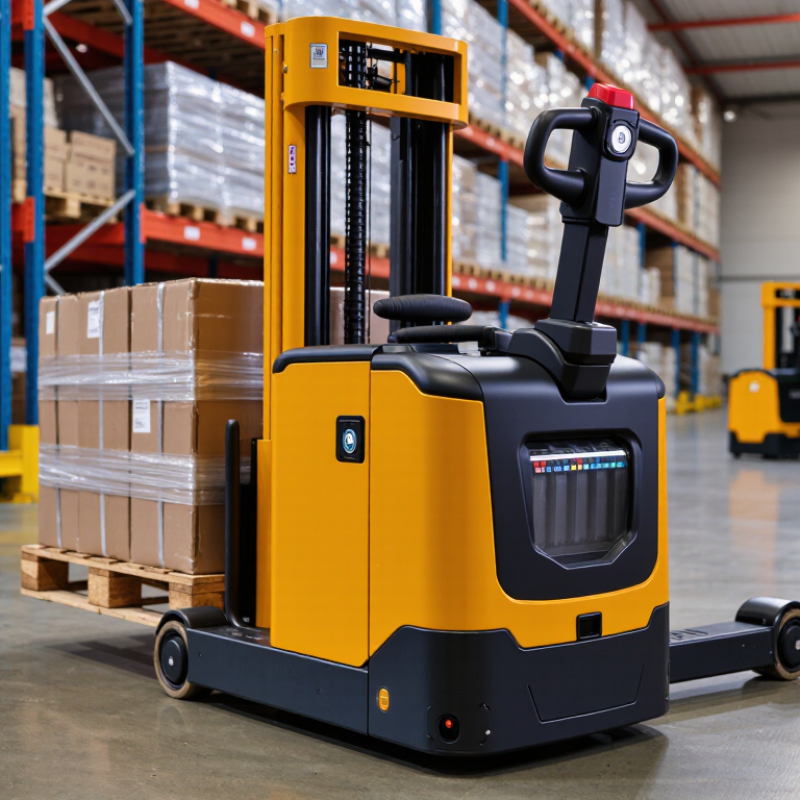
Understanding Electric Pallet Jack Types and Operating Needs
How to Choose the Best Electric Pallet Jacks?
Understanding Electric Pallet Jack Types and Operating Needs
Electric pallet jacks differ in control, travel speed, lift height, and operator position. Walkie models suit short trips, tight aisles, and occasional pallet movement. Ride-on models work better across larger warehouses with repeated, longer travel. End-control designs offer improved visibility when operators frequently reverse or turn.
Start with the actual workload, not the advertised capacity. Record pallet weights, aisle widths, floor conditions, and daily travel distances. Measure the aisle. A compact unit may turn easily but carry less battery capacity. A larger model can reduce travel time, yet become awkward near storage racks. Check whether the forks match your pallet openings and load dimensions.
Battery choice also affects operating reliability. Lithium batteries support frequent use and quick opportunity charging, while lead-acid batteries may require longer charging routines and maintenance. Charging space, ventilation, and shift patterns should guide the decision. Noise matters in retail areas and shared workspaces. Safety features, including controlled acceleration, emergency stopping, and clear visibility, deserve practical testing. A short demonstration with a loaded pallet often reveals problems that specifications hide. I would not rely on one trial alone; tired operators may use the controls differently by the final shift. Training, inspection routines, and service access can matter as much as the machine itself.
Assessing Load Capacity, Fork Size, and Lifting Performance
Choosing the best electric pallet jack starts with the load, not the motor. Check the rated capacity against the heaviest pallet, including uneven weight and sudden movement. OSHA estimates that powered industrial trucks cause about 85 fatalities and 34,900 serious injuries annually in the United States. Capacity matters.
Fork dimensions must match the pallet openings. A fork that is too short may leave the load poorly supported, while excessive length can damage adjacent pallets. Measure pallet entry height, fork width, and the narrowest aisle.
The U.S. Bureau of Labor Statistics recorded 1,075 fatal work injuries in transportation and material-moving occupations in 2023. That figure covers many tasks, but it reinforces the need for careful equipment selection.
Lifting performance also deserves practical testing. Compare maximum lift height, lift speed, lowering control, and performance on ramps or rough concrete. A jack rated for 2,000 kilograms may struggle when the battery is low or the floor is uneven. Check the manufacturer’s capacity plate and maintenance instructions, as required by OSHA 29 CFR 1910.178. Do not rely on catalog figures alone. Test it with a representative pallet.
Small details matter. A narrow turning radius can improve aisle productivity, while excessive speed may reduce load stability. One common mistake is choosing the largest capacity “for flexibility.” That can increase weight, cost, and stopping distance. Recheck the choice with operators; their practical observations may reveal problems that specifications miss.
Comparing Battery Systems, Charging Options, and Travel Range
How to Choose the Best Electric Pallet Jacks?
Battery choice directly affects travel range, charging time, and daily uptime. Lead-acid systems usually cost less initially, but they need watering, ventilation, and cooling periods. Lithium-ion batteries support opportunity charging during breaks. They also avoid routine watering. The U.S. Department of Energy reports typical lithium-ion storage round-trip efficiency near 85–95%, although pallet-jack results vary with charger losses and battery controls. That difference can matter during a busy eight-hour shift. Still, lithium-ion is not automatically better. Its higher purchase price may be difficult to justify for light, occasional use.
Do not judge range by amp-hours alone. Multiply voltage by amp-hours to estimate stored watt-hours, then compare that figure with the manufacturer’s rated duty cycle. A 2,000-kilogram load, rough concrete, ramps, and cold storage can reduce practical travel range. Watch the operator’s route: repeated 40-meter trips may consume more energy than one continuous aisle run. Small details matter. We often overestimate range.
Charging options deserve equal attention. External chargers suit fixed charging rooms and fleet control. Integrated chargers simplify access, but they may draw power from ordinary outlets and charge more slowly. MHI’s 2024 Annual Industry Report found that 55% of supply-chain leaders planned to increase automation investment, making dependable charging infrastructure increasingly important. OSHA reports about 85 annual fatalities involving powered industrial trucks in the United States. Keep charging areas clear, inspect cables, and follow the equipment manual. A cheaper jack can become expensive when its battery cannot finish the shift.
Evaluating Safety Features, Controls, Durability, and Maintenance
How to Choose the Best Electric Pallet Jacks?
When I evaluate electric pallet jacks, I begin with safety behavior, not advertised lifting capacity. The machine should reduce speed during turns and stop quickly when the control handle returns to neutral. An accessible emergency stop, warning horn, and clear battery indicator are essential. Operators also need unobstructed visibility around the forks and load. Test these features with gloves on. Real work is messier.
Controls should respond smoothly instead of jerking under light pressure. A well-shaped tiller reduces wrist strain during repeated travel and reversing. Forward, reverse, lift, and lower controls must remain easy to identify in dim aisles. I once overlooked button spacing during a short demonstration. After several hours, that small mistake became obvious. Operator feedback deserves more weight than a perfect showroom impression.
Durability depends on more than a thick steel frame. Check wheel material, fork welds, battery connections, and protection around electrical components. Sealed connectors can resist dust and moisture, but they still require inspection. Maintenance access should allow quick checks of brakes, wheels, forks, and battery condition. Built-in fault codes are useful when technicians understand them. They do not replace hands-on diagnosis. Review the maintenance schedule and confirm that qualified personnel can complete routine servicing safely. A reliable unit should also record operating hours, because service decisions based on memory are easily wrong.
Matching Models to Workplace Conditions, Budget, and Long-Term Value
Choosing an electric pallet jack starts with the floor, not the catalog. Measure aisle width, turning space, dock plates, and daily travel distance. A compact walk-behind model suits narrow aisles and short moves. Ride-on units reduce fatigue when operators cross a warehouse repeatedly. Wet loading areas demand sealed controls, stable traction, and a documented cleaning routine. Cold rooms can reduce battery performance. Ask for tested operating data, not optimistic estimates.
Budget planning should include more than the purchase price. Compare battery replacement intervals, charging equipment, tires, forks, service labor, and downtime. A lower-cost unit may become expensive when a damaged wheel stops a shift. Lithium systems often charge faster, but their value depends on duty cycles and available electrical capacity. Lead-acid batteries may suit operations with planned charging and trained maintenance staff. Check the rated capacity carefully. Get written warranty terms and service response times.
Before deciding, observe operators using the equipment during a busy hour. Watch their posture, visibility, braking habits, and reactions near pedestrians. Request a trial with actual pallet weights and floor conditions. I have seen specifications look excellent while the tiller felt awkward after repeated turns. That finding matters. Record energy use, handling errors, and repair access for several weeks. Choose the model that remains predictable when work becomes messy, not merely the one with the lowest invoice.
How to Choose the Best Electric Pallet Jack
Five-year total cost of ownership by equipment type
Pedestrian pallet jacks generally offer the lowest entry cost and suit short travel distances, light-to-medium workloads, and budget-sensitive operations. Platform and rider models require a higher investment but can deliver better long-term value in high-throughput warehouses, longer travel routes, and multi-shift applications. The estimates include purchase, electricity, routine maintenance, and battery-related operating costs over five years.