How to Choose the Best CO Alarm for Your Home Safety?
Carbon monoxide (CO) is a silent killer. It is colorless, odorless, and tasteless. According to the CDC, over 400 people die annually in the U.S. from CO poisoning. Furthermore, thousands require emergency medical attention. This alarming data highlights the need for a reliable CO alarm in every home.
Choosing the right CO alarm can be daunting. Various models offer different features, from battery-operated units to hardwired systems. A report from the NFPA indicates that almost 70% of CO-related deaths occur in homes without alarms. This statistic underlines the importance of educating homeowners on making informed choices.
Home safety goes beyond just having an alarm. Regular maintenance and testing are equally crucial. Many alarms may fail due to low battery or sensor issues. A research study found that nearly one in five alarm failures are attributed to neglect. Homeowners must take proactive measures to protect their families from this invisible threat.
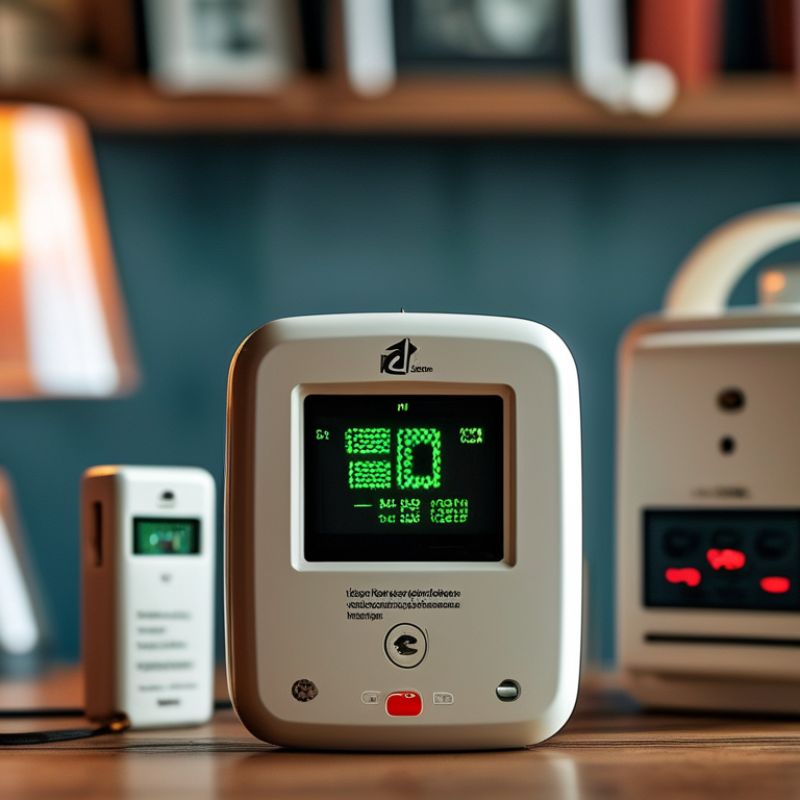
Understanding Carbon Monoxide: Risks and Symptoms
Carbon monoxide (CO) is a colorless and odorless gas that poses serious health risks. It can lead to symptoms like headaches, dizziness, and confusion, often mimicking the flu. In fact, the Centers for Disease Control and Prevention (CDC) estimate that more than 400 people die from unintentional CO poisoning each year in the United States. This risk can be increased in households with fuel-burning appliances or attached garages.
Recognizing the symptoms early can be crucial. At low levels, carbon monoxide can cause fatigue and chest pain. While more severe exposure leads to cognitive impairment and can even be fatal. The World Health Organization notes that an exposure of 200 parts per million can lead to symptoms within minutes. CO alarms provide an essential layer of safety in homes, alerting residents to dangerous gas levels before symptoms escalate.
Yet, many people tend to overlook the importance of maintenance. CO alarms need regular checks and battery replacements to function effectively. Research shows that about 30% of alarms in homes do not work because of dead batteries. Awareness and education can play vital roles in preventing CO poisoning. A fully functioning alarm is your first line of defense against this silent threat.
Key Features to Look for in a CO Alarm
When selecting a carbon monoxide (CO) alarm for your home, understanding key features is crucial for ensuring safety. A reliable CO alarm should have an electrochemical sensor, which is proven to detect lower levels of CO effectively. According to the National Fire Protection Association (NFPA), alarms with this technology can detect CO concentrations as low as 30 parts per million. This sensitivity is vital in preventing potential poisoning scenarios.
Additionally, look for alarms with a digital display. These can provide real-time readings of CO levels, enhancing awareness. A recent report indicated that homeowners are 70% more likely to respond promptly when they see levels displayed. Choose alarms that feature a loud siren; 85 decibels is a standard recommendation. This level ensures that even in the sleepiest environments, the alarm can get your attention.
Consider battery backup options as well. If the power goes out, your protection should not be compromised. Research shows that alarms without battery backup can leave homes vulnerable during outages. Lastly, always check the lifespan of the alarm. Many devices last around 5 to 7 years, but monitoring their status is essential to maintaining safety. Regular checks can help ensure your home remains a secure environment.
Types of CO Alarms: Hardwired vs. Battery-Powered
When choosing a carbon monoxide (CO) alarm, understanding the difference between hardwired and battery-powered models is essential. Hardwired alarms connect directly to your home’s electrical system. They often provide consistent power, ensuring you never miss an alert. However, if there's a power outage, many hardwired alarms may require a backup battery to function properly. This adds a layer of reliability but also a need for maintenance.
On the other hand, battery-powered alarms offer flexibility in placement. You can install them anywhere without worrying about electrical outlets. They are easier to relocate if needed. However, they rely on battery life. Regular battery checks are crucial. Missing a battery replacement could lead to a false sense of security. A balance between convenience and reliability must be struck.
Consider the specifics of your living environment. For larger homes, multiple alarms may be necessary, regardless of the type chosen. Think about where CO sources are likely to be present, like attached garages or gas appliances. Both alarm types have their merits and potential pitfalls. It’s vital to weigh these factors thoughtfully for optimal home safety.
Proper Installation and Maintenance of Your CO Alarm
Proper installation of a CO alarm is crucial for home safety. Place the alarm on every level of your home. Make sure to install one near sleeping areas. If the alarm is too far away, you might not hear it when it sounds. Follow the manufacturer’s instructions closely during installation. Incorrect placement can reduce its effectiveness.
Maintaining your CO alarm is just as important. Regularly test your alarm monthly by pressing the test button. Change the batteries at least once a year. Some alarms come with a sealed battery that lasts up to a decade. After the battery life ends, replace the entire unit. Check for dust and debris on the sensors; this can interfere with performance.
Periodic reviews of your alarm's location can be beneficial. You might need to relocate it due to changes in your home, like new rooms or furniture. Remember, CO alarms can fail over time. Always be aware of the expiration date. Failing to do so could endanger your family's safety. Make sure your CO alarms are in good working order. That might be the difference between life and death.
Carbon Monoxide (CO) Alarm Effectiveness by Installation Location
How to Test and Replace Your CO Alarm Effectively
Testing and replacing your carbon monoxide (CO) alarm is crucial for ensuring your home safety. The National Fire Protection Association reports that CO alarms should be tested at least once a month. This simple act can catch malfunctions early. To test your alarm, simply press the test button. If the alarm sounds, it is functioning properly. If it doesn’t, replace the batteries immediately.
Replacement is a key aspect of CO safety. The U.S. Consumer Product Safety Commission recommends that CO alarms be replaced every five to seven years. Over time, sensors can degrade, leading to false alarms or failure to detect CO. Keeping track of the purchase date and setting reminders can help ensure your alarm is replaced on time.
When choosing an alarm, consider features like LED indicators, voice alerts, and battery backup. These features add an extra layer of reliability. Additionally, ensure that alarms are installed near sleeping areas and on each level of your home. Regularly check the manufacturer's instructions for specifics on battery life and maintenance. Taking these steps may seem simple, but they can make a significant difference in your safety.
How to Choose the Best CO Alarm for Your Home Safety? - How to Test and Replace Your CO Alarm Effectively
| Feature | Importance | Recommendation | Replacement Frequency |
| Power Source | Essential for reliability | Choose battery-operated or hardwired with battery backup | Every 5-7 years |
| Alarm Sensitivity | Critical for early detection | Select models with lower sensitivity threshold | Check annually, replace if not working |
| Digital Display | Helpful for monitoring CO levels | Recommended for better awareness | N/A |
| Combination Units | Space-saving and efficient | Consider if you also need smoke detection | Every 5-7 years |
| Testing Method | Ensures functionality | Use the test button monthly | Monthly |
| End-of-Life Signal | Indicates when to replace | Choose units with loud alerts | N/A |