
skip to Main Content

How to Choose an Integrated Smart Home System?

Choosing an Integrated Smart Home is no longer about collecting fashionable devices. It is about creating one dependable environment for lighting, climate, security, entertainment, and energy control. The room should respond when you enter. The heating should adjust without a confusing chain of apps.

Market evidence supports this shift. IDC’s Worldwide Quarterly Smart Home Device Tracker forecast nearly 900 million smart home device shipments in 2024. Parks Associates research also shows that smart home ownership is already common among U.S. broadband households. However, adoption does not guarantee satisfaction. A doorbell camera, thermostat, and voice assistant can still operate as isolated products.

Parks Associates analyst Blake Kozak has expressed the central principle clearly: “A smart home should make daily routines simpler, not more complicated.” That standard matters when comparing platforms, installation methods, privacy controls, and long-term compatibility. The Connectivity Standards Alliance’s Matter specification may improve interoperability, but it does not solve every integration problem. Some devices still lose features across ecosystems.

Look beyond the showroom.

A reliable choice should support clear automation rules, local control where possible, secure account recovery, and transparent data policies. NIST’s IoT cybersecurity guidance reinforces the need for unique credentials, software updates, and vulnerability management. These details are easy to overlook beside a bright touchscreen.

The best system is not always the most expensive one. It is the system that remains useful on a busy morning, during a network outage, and five years later. No platform is perfect. That is worth admitting before signing a large installation contract.
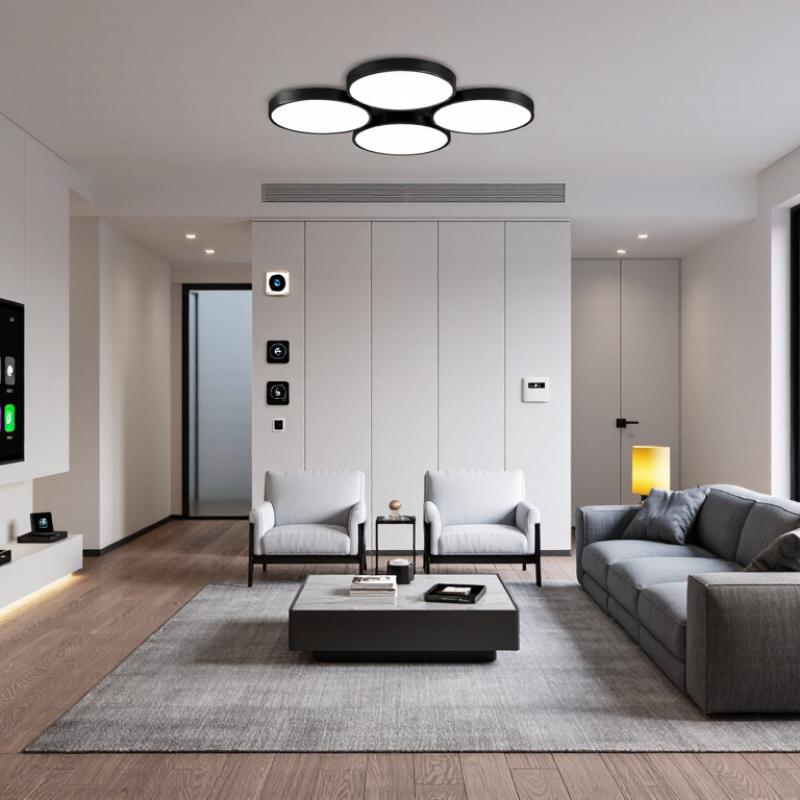
How to Choose an Integrated Smart Home System?

Define Your Smart Home Goals and Daily Use Scenarios

Choosing an integrated smart home system starts with daily life, not a device list. Walk through a normal weekday and record repeated tasks, delays, and discomforts. Write down who uses each room, including children, older adults, and guests. A useful goal might be reducing morning energy waste or improving nighttime safety. Keep goals measurable, such as lowering heating time by one hour. Do not automate everything. A quiet manual switch still matters.

Map specific scenarios with real details. At 6:30 a.m., curtains could open gradually while hallway lights stay dim. When nobody remains at home, selected lights and appliances could switch off automatically. At night, a motion sensor might illuminate the path to the bathroom without flooding the bedroom with bright light. I once designed too many linked actions and found them confusing after one week. That mistake taught me to remove features that solve no daily problem.

Turn each scenario into technical requirements. Check whether devices communicate through widely supported standards, rather than relying on one connection type. Confirm which functions work locally when the internet fails. Review data permissions, account security, and software update policies before installation. A qualified electrician should assess wiring, circuit loads, and sensor placement. Test every routine with guests, pets, and unexpected movement. Real homes are messy. Your plan may need revision after living with it.

Assess Compatibility Across Devices, Platforms, and Communication Standards

How to Choose an Integrated Smart Home System?

Compatibility begins with the devices, not the control screen. IoT Analytics reported 16.6 billion connected IoT devices in 2023, with 18.8 billion expected in 2024. More devices create more connection paths and more failure points. Check each product’s communication method, supported profiles, local-control options, and update policy.

Wi-Fi may suit cameras, while Thread or Zigbee can reduce battery use for sensors.

Ethernet remains valuable for fixed equipment.

Do not assume one platform connects everything. A device may support a popular voice interface but lack local automation. Test a simple routine before installation: open a door sensor, trigger a hallway light, and disconnect the internet. If the routine stops immediately, cloud dependence is clear.

GSMA Intelligence forecasts global IoT connections will reach 29.4 billion by 2030. That growth makes protocol planning less optional. It also makes compatibility claims harder to verify.

Matter can simplify cross-platform communication, but it does not remove every limitation. Check supported device categories, bridge requirements, IPv6 readiness, and multi-admin behavior.

NIST’s IoT cybersecurity guidance recommends checking unique credentials, secure updates, and device lifecycle support. I would record these details in a small compatibility table. It feels slow. It prevents expensive surprises. Some products still advertise integration before every feature works reliably, so confirm actual functions rather than trusting the logo.

Compare System Control, Automation, and User Accessibility Features

Choosing an integrated smart home system means testing more than its device list. In daily use, control should feel clear at 7 a.m., not only impressive during a showroom demonstration. Check whether lights, locks, heating, and sensors appear in one dependable interface. A good system offers local controls, mobile access, and voice options, while keeping permissions easy to understand. I prefer physical alternatives because a flat phone battery can expose a weakness. That detail is easy to overlook.

Automation should respond to real routines, not create extra chores. Test a morning scene with timed lights, temperature changes, and a door sensor. The system should explain what triggered each action and allow a quick override. Reliable rules include schedules, presence detection, and safety limits. For example, heating should not run endlessly because one sensor loses connection. Some systems promise effortless intelligence, yet setup can become surprisingly technical. Fewer, well-tested routines often work better than dozens of clever ones.

User accessibility deserves equal attention. Menus need readable text, strong contrast, and consistent labels. Older adults and users with limited mobility may need large controls, voice commands, or automatic actions. Shared access should support separate profiles, temporary permissions, and an obvious emergency control. Review privacy settings, update support, and offline behavior before choosing. A system that fails quietly is difficult to trust. My own evaluation is not perfect; real homes differ, and testing during a network interruption can change the decision.

Evaluate Security, Privacy, Reliability, and Future Expansion

Choosing an integrated smart home system requires more than checking device compatibility. Security must be tested as a daily habit, not promised on a product page. The 2024 Cost of a Data Breach Report recorded a global average breach cost of $4.88 million. That figure describes organizations, not houses, so it is only a risk signal. The 2024 Data Breach Investigations Report attributed 68% of breaches to a human element. Use unique credentials, multi-factor authentication, automatic updates, and separate guest access. Small controls matter.

Privacy deserves equal scrutiny. Ask where recordings, routines, and occupancy data are processed and stored. Prefer clear retention settings, encrypted transmission, limited permissions, and downloadable activity logs. The NIST Cybersecurity Framework 2.0 recommends identifying assets, protecting them, detecting events, and planning recovery. Apply that logic at home. During evaluation, unplug the internet, cut power to one controller, and test manual switches. If lights, locks, or alarms fail together, integration has become a single point of failure. I have seen “smart” convenience become frustrating when recovery steps were unclear. That weakness is easy to underestimate.

Future expansion depends on open standards, documented interfaces, local control, and transparent update policies. Check whether new sensors can join without replacing the central hub. Also ask how long security patches will continue. A low purchase price can hide expensive migration later. Industry interoperability guidance is useful, but compatibility still needs practical testing. Create a small pilot with one light, one sensor, and one safety device. Measure response time, offline behavior, and setup errors for several weeks. Perfect integration is unlikely. A careful, imperfect trial is more trustworthy than a polished demonstration.

Review Installation Options, Support Services, and Total Ownership Costs

Choosing an integrated smart home system begins with installation reality, not glossy features. A wired setup suits new construction, where conduits and network cables can be planned behind walls. Retrofitting an occupied home may favor wireless devices, especially when drilling is limited. However, thick masonry, metal framing, and crowded Wi-Fi channels can weaken performance. Test signal strength in bedrooms, utility rooms, and outdoor areas before purchasing equipment. Small details matter.

Ask whether certified technicians handle configuration, device pairing, network security, and future expansion. A reliable installer should provide a clear wiring diagram and label every connection. Remote support is useful, but it cannot replace someone who can inspect a faulty sensor onsite. Check service hours, response targets, software update policies, and repair procedures. I have found that vague support promises create stress after installation. The cheapest quote often leaves the homeowner troubleshooting alone.

Total ownership costs extend beyond the initial equipment price. Include labor, network upgrades, subscription fees, replacement batteries, maintenance visits, and compatible accessories. Request a five-year estimate in writing. Also ask what happens if one controller fails or a device becomes outdated. Open standards can reduce replacement costs, but compatibility is never guaranteed. A practical system may offer fewer features yet remain easier to maintain. Leave room in the budget for mistakes; walls may hide surprises.