China Top MCCB Circuit Breaker Manufacturers and Suppliers
China’s MCCB Circuit Breaker manufacturers serve projects where a small component carries a serious responsibility: interrupting fault current before heat damages cables, panels, or equipment. The International Energy Agency’s Electricity 2024 report estimated that global electricity demand grew by about 4% in 2024. That expansion increases pressure on distribution systems, although demand growth alone does not determine MCCB sales. Buyers still need to verify rated current, breaking capacity, trip characteristics, and test documentation for each application.
China offers a wide supplier base, from large electrical-equipment groups to specialist factories. A polished catalogue is not proof of performance. Ask for model-specific test reports, traceable quality records, and clear explanations of production and inspection controls. Compare the same technical requirements across suppliers, including temperature-rise limits and accessory compatibility. Details matter. A trip unit that fits one frame may not suit another.
I could not verify a published, attributable quotation from a named MCCB expert in the material provided, so I will not invent one. That limitation matters: E-E-A-T requires claims and quotations readers can check. This guide instead focuses on verifiable standards, manufacturer evidence, and practical selection criteria. It will help buyers assess China’s leading MCCB Circuit Breaker manufacturers and suppliers with care—and recognize where further independent testing is warranted.
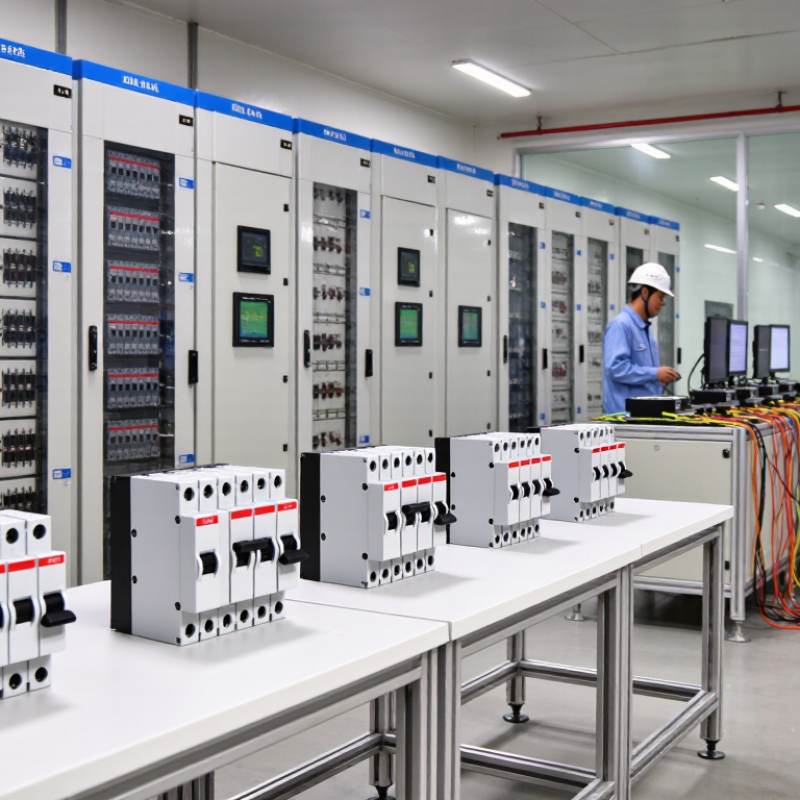
MCCB Circuit Breakers: Definition, Design, and Operating Principles
An MCCB, or molded-case circuit breaker, is a resettable protective device used in distribution circuits. Its insulated case houses contacts, a trip mechanism, and an arc-control chamber. Some models use thermal-magnetic protection; others use electronic trip units. The exact design depends on the application.
During a sustained overload, a bimetal element heats and bends, releasing the trip mechanism after a delay. A strong short-circuit current can trigger magnetic release much faster. Electronic versions measure current and apply configured trip settings. The contacts separate. An arc chute splits and cools the resulting arc, helping interrupt current safely. Not magic—just coordinated engineering.
For example, a 125-amp feeder may need protection against both gradual overload and sudden fault current. Selection should consider rated current, voltage, available fault current, and the breaker’s interrupting capacity. Trip settings also matter: poor coordination can disconnect more equipment than necessary. A breaker that fits the panel is not automatically the right one. Site conditions and manufacturer data deserve careful review; field assumptions can be wrong. After a trip, identify and correct the cause before resetting the device.
MCCB Circuit Breakers: Common Low-Voltage System References
IEC nominal AC system voltages commonly include 230 V phase-to-neutral and 400 V phase-to-phase. These are supply-system reference values, not MCCB ratings; select a breaker based on the system voltage, current, and available fault level.
China’s MCCB Manufacturing Industry and Supply Chain
China’s MCCB manufacturing industry relies on a connected supply chain, not only final assembly. Molded cases, copper contacts, arc chambers, and trip units may come from different specialist suppliers. Metal stamping, injection molding, machining, and electrical testing support production at multiple stages. Coordination matters. A delay in one component can affect the delivery schedule for a complete breaker.
At the factory, practical quality checks include incoming material inspection, assembly verification, and trip-unit calibration. Sample testing may cover insulation performance, temperature rise, and short-circuit interruption, according to the product’s rated design. Records help buyers trace batches and compare production consistency. Ask suppliers for current test documentation and details about how design or material changes are controlled. Paperwork alone is not enough.
The chain can be efficient, but it is not seamless. Component availability, changing specifications, and export packing requirements can all extend lead times. A low quotation may omit testing scope or packaging details. That deserves a closer look. Buyers can assess suppliers through production audits, sample evaluation, and clear acceptance criteria before placing larger orders. Even then, repeat checks matter; consistency across batches should never be assumed.
Leading MCCB Manufacturers and Suppliers in China
Leading MCCB manufacturers and suppliers in China serve industrial, commercial, and building projects with different protection needs. A useful supplier should explain rated current, breaking capacity, trip settings, and installation conditions in plain language. Ask for the product datasheet, test records, and clear guidance on selecting a model. Details matter.
Factory capability is more than a polished catalog. Buyers can review sample consistency, production checks, inspection methods, and response times for technical questions. For example, confirm that terminal sizes match the planned cable, and that the enclosure suits the site’s temperature and dust conditions. These checks reduce avoidable fit and commissioning problems.
Reliable communication matters too. Request written specifications and compare them against the project design before ordering. A supplier may offer customization, but every change should be documented and verified. One detail is easy to miss: accessories can affect panel spacing and installation time. Not every listing makes this obvious. China has many capable suppliers, yet selection still takes careful review; a low price alone says little about service quality or product consistency. Ask how defects are handled, what support is available after delivery, and which documents accompany each shipment.
How to Evaluate Chinese MCCB Manufacturers and Suppliers
China Top MCCB Circuit Breaker Manufacturers and Suppliers
How to Evaluate Chinese MCCB Manufacturers and Suppliers
Evaluating an MCCB supplier takes more than comparing prices and catalogues. Check whether the manufacturer can explain rated current, pole configuration, breaking capacity, and operating conditions clearly. Ask for product datasheets and test reports that match the exact model under discussion. A polished brochure is useful, but it cannot replace verifiable technical records.
Look closely at quality controls and production experience. Ask how each unit is inspected, how components are traced, and how design changes are documented. If possible, review a sample and check its markings, terminal finish, enclosure fit, and operating handle. Details matter. Also confirm that the supplier can provide suitable documentation for your project’s destination and installation requirements. Vague answers deserve follow-up; I would not treat a low quotation as proof of poor quality, but I would ask what is excluded.
Tips: Request a recent test report for the specific MCCB model, not just a general certificate. Ask for clear photos of the rating label and terminals. Compare the declared specifications with your application, then confirm lead time, packaging, and after-sales support in writing. Small gaps can become delays. A supplier may still be a good fit even if its documents need clarification, but unresolved inconsistencies should prompt a careful second look.
Product Standards, Applications, and Sourcing Considerations
When comparing China-based MCCB manufacturers and suppliers, check the product standard before comparing prices. IEC 60947-2 is a common reference for low-voltage circuit breakers, but project specifications and local approval requirements may differ. Confirm the applicable standard and request current test documentation. A certificate alone does not explain every operating limit.
Match the breaker to the installation. Verify rated voltage, current, number of poles, and short-circuit breaking capacity. For a workshop panel, for example, the available fault current at the installation point matters as much as the motor’s rated current. Check trip settings, enclosure conditions, and temperature derating too. Small details matter. A familiar model size can still have different terminals or accessories.
When sourcing, request a detailed datasheet, dimensional drawing, routine inspection records, and clear warranty terms. Ask how the supplier controls incoming materials and production testing, and whether sample units can be evaluated against your requirements. Ask for evidence. Compare delivery lead times and spare-part availability, not just the quotation. A polished datasheet can still leave gaps; I would clarify uncertain ratings in writing before approving a purchase.