What is Capsule And Tablet Metal Detector and How Does It Work?
In the pharmaceutical industry, ensuring product safety and quality is paramount. The "Capsule And Tablet Metal Detector" plays a vital role in this process. This specialized device identifies and eliminates metallic contaminants from tablets and capsules, safeguarding both consumers and manufacturers. Its function is particularly critical in a sector where even minute impurities can lead to significant health risks.
The Capsule And Tablet Metal Detector employs advanced technology to scan and analyze the contents. By generating electromagnetic fields, it detects any metal particles that may have inadvertently entered the production line. Effective detection helps maintain compliance with stringent regulations. However, operators must frequently calibrate and maintain the equipment to ensure accuracy.
Despite its effectiveness, challenges exist. Detection systems may sometimes miss smaller metal fragments or fail to distinguish between different types of contaminants. Continuous improvement and training in using this technology are essential for optimal results. Thus, while the Capsule And Tablet Metal Detector provides a crucial safety function, it requires ongoing attention to maximize its reliability.
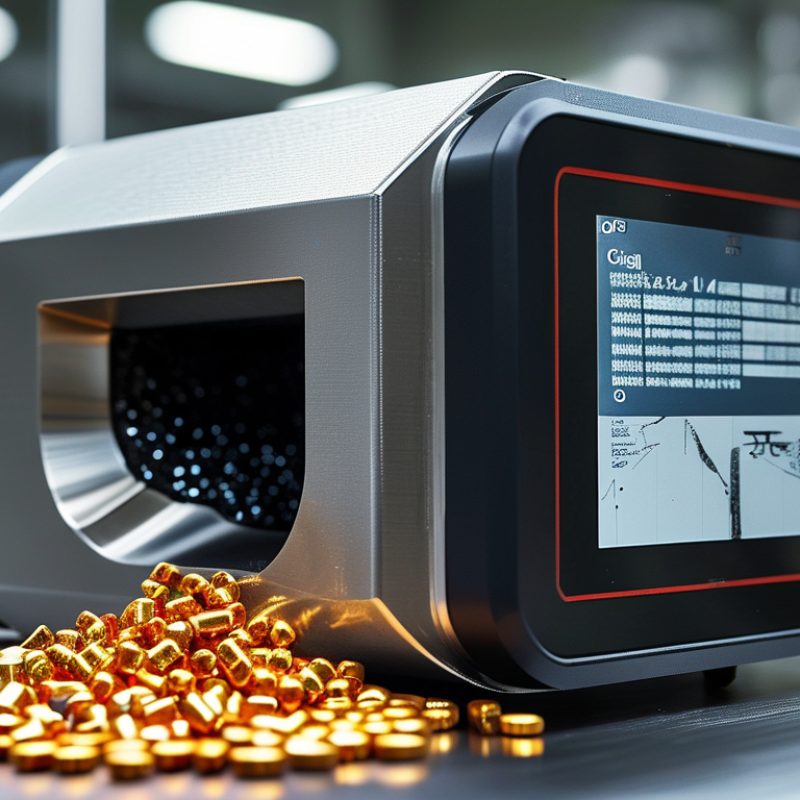
Introduction to Capsule and Tablet Metal Detectors
Capsule and tablet metal detectors are essential tools in the pharmaceutical industry. They ensure product safety by detecting harmful metal contaminants in medications. According to a report by the International Society for Pharmaceutical Engineering, contamination can lead to severe health risks and financial losses. Regular use of these detectors is critical to maintaining high safety standards.
These detectors function by generating a magnetic field around the product. When a metal contaminant passes through, it disrupts this field, triggering an alarm. Studies indicate that using metal detection systems can reduce contamination rates by more than 90%. The technology is crucial for compliance with safety regulations that govern the pharmaceutical industry.
While advancements in technology are impressive, challenges remain. Some products may interfere with detection. Properties like moisture content can lead to false negatives. Continuous training and calibration are necessary to achieve optimal performance. Finding better solutions is an ongoing effort within the industry.
Types of Metal Detectors Used for Pharmaceuticals
Metal detectors play a crucial role in the pharmaceutical industry. They ensure product safety by identifying metal contaminants that could harm consumers. Several types of metal detectors are commonly used to monitor capsules and tablets during production. Among them, conveyor metal detectors are particularly effective in a production line setup. These detectors scan products as they move along a conveyor belt, providing real-time monitoring.
Another type includes portable metal detectors, which offer flexibility. They can be used in various locations, making them essential for spot checks and audits. Some manufacturers opt for combination systems that integrate X-ray technology with metal detection. This approach enhances detection capabilities, especially for complex packaging. However, implementing these systems can sometimes lead to higher costs and require staff training.
Despite advancements, challenges remain in selecting the right detector for specific applications. Varying product characteristics, like size and composition, can affect detection accuracy. Continuous evaluation of equipment performance is necessary to adapt to changing production needs. Addressing these challenges requires ongoing expertise in metal detection technologies.
Working Principles of Capsule and Tablet Metal Detectors
Capsule and tablet metal detectors are crucial in the pharmaceutical industry. They ensure the safety and integrity of medication. These detectors identify metallic contaminants that might compromise product quality. The process involves advanced technology that uses electromagnetic fields. When tablets or capsules pass through, any metal alters the field, triggering an alert.
The working principle relies on various detection methods, including inductive and capacitive sensing. Inductive sensors create a magnetic field around the product. If metal is present, it disrupts this field. Capacitive sensors, on the other hand, measure the electrical charge and can detect differences caused by foreign materials.
Correct calibration is vital for accuracy. Operators must regularly check equipment settings. However, issues may arise with overlapping signals or interference. These challenges can lead to false positives or negatives. Regular testing and maintenance can help mitigate these risks. Understanding these detectors' working principles is essential for ensuring product safety and compliance in the pharmaceutical field.
Applications in Pharmaceutical Quality Control
Capsule and tablet metal detectors are essential in pharmaceutical quality control. They detect metal contaminants during the production process, helping to ensure product safety. The detection of foreign bodies, such as metal fragments, can prevent serious health risks. According to industry reports, up to 80% of product recalls stem from contamination issues. This highlights the importance of reliable detection methods.
Pharmaceutical manufacturing relies heavily on metal detectors to meet regulatory standards. Each year, thousands of inspections occur globally, and many companies are required to implement strict quality control measures. This technology has evolved, with some systems achieving detection sensitivities of 0.5 mm for ferrous and non-ferrous metals. These advancements improve not only safety but also product integrity and consumer trust.
Tip: Regularly calibrate your metal detectors to maintain accuracy. Small misalignments can lead to missed detections, potentially introducing risks.
In addition to safety, these detectors enhance operational efficiency. Automated systems can reduce manual inspections, saving time and labor costs. However, organizations must remain vigilant. Over-reliance on technology may lead to complacency. Continuous training and awareness are vital for operators to make informed decisions. Regular audits can also identify areas for improvement.
Benefits of Using Metal Detectors in Tablet Production
Metal detectors play a crucial role in tablet production. They ensure product safety and integrity by detecting metal contaminants. Tablets that contain foreign objects can pose serious health risks to consumers. This is why integrating metal detection into the manufacturing process is essential.
The use of metal detectors offers several benefits. They help maintain high-quality standards and reduce product recalls. A contamination-free product not only protects consumers but also upholds a company's reputation. By implementing regular checks, manufacturers can identify potential issues early. This proactive approach can lead to increased efficiency and reduced waste.
However, relying solely on metal detectors isn't foolproof. They may not catch every type of metal or ensure complete safety. Regular maintenance and calibration of the detectors are necessary for optimal performance. Training staff on correct procedures ensures that the equipment is used effectively. Continuous evaluation improves the detection process, highlighting the need for adaptation in technology and methods.
Metal Detector Performance in Tablet Production