
skip to Main Content

Top 10 Best Walk Path Lights for Every Garden

A garden path changes character after sunset. Damp stone reflects a soft glow, while dark steps can vanish beneath leaves. The right Walk Path Lights make these routes easier to see without flattening the garden’s atmosphere.

Architectural lighting designer Randall Whitehead is often credited with the phrase, “Lighting is the jewelry of the home.” It suits outdoor paths, too: well-placed fixtures can highlight a border, a bend, or the texture of brick. But more light is not always better. Glare can bother guests, and bright fixtures may obscure the softer details nearby. Small choices matter.

This guide explores the Top 10 Best Walk Path Lights for Every Garden, from solar stakes to low-voltage fixtures. It considers brightness, beam direction, spacing, weather resistance, installation, and upkeep. A row of lights should guide the eye, not look like runway markers. That balance takes testing. Place a fixture, view it from the path, then adjust its angle before installing the rest. Soil, shade, and seasonal growth can change how a setup performs, so one solution will not suit every yard. The picks ahead offer practical options for different layouts and budgets, with trade-offs worth considering before you buy. Expect useful guidance, not a perfect formula.
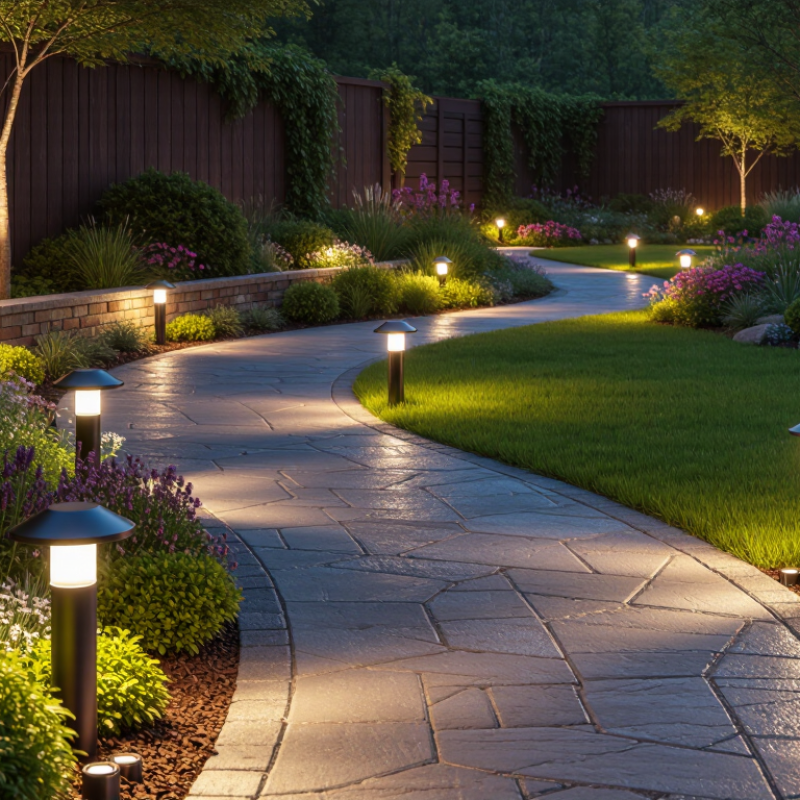
Top 10 Best Walk Path Lights for Every Garden

What Walk Path Lights Are and How They Illuminate Garden Paths

Walk path lights are low-level fixtures that define a garden route after daylight fades. They help reveal turns, steps, and uneven edges without lighting the whole yard. A well-placed beam lands on the walking surface, not directly in a visitor’s eyes. Think of a damp stone path, a dark step, and the shadow beneath a low hedge. Still, brighter is not always safer; glare can hide details nearby.

Their illumination depends on height, beam angle, spacing, and nearby plants. Place fixtures to create overlapping pools of light, but avoid a runway-like line of glare. Shielded, downward-facing lights reduce spill into beds and windows. LEDs suit many path fixtures because they use less energy than older bulbs. The U.S. Department of Energy’s Energy Saver guidance says LEDs use at least 75% less energy and last up to 25 times longer than incandescent lighting. Those figures compare lamp types, not every complete fixture. Soil, weather, and changing foliage can also affect performance; a layout that looks balanced in spring may feel crowded by summer.

Tips: Test one light at dusk before installing the full row. Check the path from a seated height, too. If the ground still looks patchy, adjust spacing or aim before adding more fixtures. Small gaps are easy to miss.

The Main Types of Walk Path Lights for Different Garden Styles

Top 10 Best Walk Path Lights for Every Garden

The Main Types of Walk Path Lights for Different Garden Styles

A garden path feels safer when its edges are visible, but the right fixture depends on the setting. Low-voltage path lights suit formal gardens, where evenly spaced metal fixtures can echo straight borders and clipped hedges. For a modern garden, simple bollard lights create a clean rhythm beside stone or concrete. Keep their beams low and directed toward the ground. Bright glare can make a path less comfortable, not more.

Solar stake lights work well in cottage gardens, where flowers and curved paths make rigid spacing look out of place. In woodland-style gardens, shielded fixtures can gently reveal stepping stones without overpowering darker planting. Recessed lights may suit wide steps or paved edges, but they need careful placement to avoid shining into visitors’ eyes. One detail is easy to overlook: foliage grows, and a light that works in spring may be hidden by summer.

Tips: Test a few lights after dark before installing a full set. Check the view from the path, not just the garden bed. Leave space between fixtures, and adjust for bends, steps, and wet spots. I would avoid chasing perfect symmetry; a slightly uneven layout can feel more natural.

How to Choose Path Lights for Brightness, Power, and Weather Resistance

A useful path light makes the ground easy to read without washing out the garden. Compare brightness in lumens, but check beam spread too. A narrow beam may leave gaps between fixtures, while a broad beam can spill into nearby windows. Too much glare is tiring. Walk the route after dusk and notice where stones, roots, or steps disappear.

Power choice depends on the site. Solar lights avoid wiring, but shaded beds and short winter days can reduce charging. Check whether the battery is replaceable, and keep the small panel clear of leaves. Low-voltage wired lights provide steadier output, though cable placement takes planning. Small details matter. Not always.

For weather resistance, look for a stated IP rating and materials suited to wet, exposed locations. Sealed joints and corrosion-resistant housings help, but no fixture is maintenance-free. Water can collect around a poorly placed base, especially in compacted soil. Leave room for drainage, and inspect seals after heavy rain. A light that looks bright in a shop may feel harsh beside pale paving, so test one fixture before spacing the rest.

Top 10 Walk Path Lights for Different Garden Needs

Different gardens call for different path lights. Solar stake lights work well along sunny borders, while low-voltage fixtures offer steadier light beneath trees. Shielded lamps reduce glare near seating areas. Motion-sensor models suit side paths used only occasionally. Recessed lights sit neatly in narrow paving, and bollards define wider walkways. Adjustable spots can highlight a step or a stone feature. Step lights help with level changes. Wet-rated fixtures handle exposed corners, while timer-controlled lights make evening routines easier. That is a useful range of ten styles, not ten universal winners.

Match the light to the path before comparing brightness. A narrow gravel walk needs a softer pool of light than a broad, uneven stone path. Place a sample near the ground at dusk, then check whether it reveals edges without shining into someone’s eyes. Keep spacing consistent, but allow closer placement where roots lift paving. Solar output can dip after cloudy days, so it may disappoint in shaded gardens. Low-voltage systems take more planning and wiring, too. Small trade-offs matter. A beautiful fixture is less useful if its beam misses the path or its stake loosens in wet soil.

Top 10 Best Walk Path Lights for Every Garden — Top 10 Walk Path Lights for Different Garden Needs
Rank Light Type Typical Output Power Source Typical Color Temperature Weather Protection Best For Installation Notes
1 Low-Voltage LED Path Light Approximately 100–300 lumens per fixture 12V landscape transformer 2700–3000K, warm white Outdoor-rated; commonly IP44–IP65 Frequently used garden paths that need consistent, dependable illumination Requires low-voltage cable and a compatible transformer; place fixtures to avoid glare and overlapping hotspots.
2 Solar Stake Light Approximately 5–30 lumens per fixture Integrated solar panel and rechargeable battery 2700–4000K Often IP44–IP65 Sunny, low-traffic paths where simple installation is a priority Push into soil with the panel in direct sunlight; shaded locations can reduce charging and nighttime runtime.
3 Motion-Sensor Solar Light Approximately 100–400 lumens while activated Solar panel and rechargeable battery 3000–5000K Often IP44–IP65 Side paths and entrances where light is needed mainly when someone approaches Position the sensor toward the approach route; brightness and runtime depend on battery charge and activation frequency.
4 Recessed In-Ground Light Approximately 20–150 lumens per fixture Low-voltage wired or solar 2700–4000K Look for a suitable outdoor rating, commonly IP67 for ground installation Modern paths, edging, and areas where fixtures should sit nearly flush with the surface Check drainage and the manufacturer's ground-installation instructions; avoid placing bright beams where they shine into eyes.
5 Shielded Bollard Light Approximately 100–500 lumens per fixture Low-voltage wired or mains-powered 2700–3000K Choose an outdoor-rated fixture, commonly IP44–IP65 Wider paths and open garden areas needing broader, more structured illumination Allow space around each post and choose a shielded design to direct light downward and limit glare.
6 Wall-Mounted Step or Path Light Approximately 20–150 lumens per fixture Low-voltage wired, mains-powered, or battery-operated 2700–3000K Outdoor-rated; commonly IP44–IP65 Paths beside retaining walls, fences, steps, or raised garden beds Mount at a consistent height and aim light onto walking surfaces rather than directly toward approaching visitors.
7 Solar Lantern-Style Path Light Approximately 5–40 lumens per fixture Integrated solar panel and rechargeable battery Typically 2200–3000K Often IP44–IP65 Decorative cottage gardens and softly lit paths Use as accent lighting rather than the sole source for stairs or uneven surfaces; locate in an unshaded area.
8 Smart Low-Voltage Path Light Approximately 100–300 lumens per fixture 12V transformer with compatible smart controller Often adjustable, approximately 2200–5000K Outdoor-rated; commonly IP44–IP65 Gardens where schedules, dimming, or app-based control are useful Confirm controller and transformer compatibility; smart features may depend on a hub or reliable wireless coverage.
9 Low-Glare Hooded Path Light Approximately 50–200 lumens per fixture Low-voltage wired or solar 2700–3000K Outdoor-rated; commonly IP44–IP65 Quiet seating gardens and paths near windows where glare should be minimized Choose a downward-facing hood and space fixtures evenly to provide guidance without lighting the entire garden brightly.
10 Replaceable-Bulb Landscape Path Light Typically 100–400 lumens, depending on bulb Low-voltage wired or mains-powered Selected by bulb, commonly 2700–3000K Fixture must be rated for outdoor use; commonly IP44–IP65 Gardeners who want to change brightness or replace bulbs without replacing the whole fixture Check socket type, maximum bulb wattage, and whether the fixture is designed for the chosen bulb and outdoor conditions.
Specifications shown are typical ranges for these fixture categories, not guarantees for every product. Actual brightness, runtime, color temperature, and ingress-protection rating vary by design. For comfortable path lighting, use shielded fixtures and keep light directed onto the walking surface.

How to Position and Maintain Garden Path Lights

A useful layout lights the walking surface without making the garden feel like a runway. Set fixtures just outside the path edge, where feet and lawn equipment are less likely to hit them. Stagger lights on alternating sides instead of lining them up evenly. On a narrow path, fewer, softer lights often work better than bright fixtures placed close together. Keep it subtle. Check the view from a seated position too; a lamp that looks gentle while standing can shine straight into someone’s eyes.

Spacing depends on brightness, beam spread, and nearby plants, so test a few lights after dusk before installing the full row. Watch for dark gaps near steps, bends, and changes in paving. It is tempting to make every turn equally bright, but that can flatten the garden’s depth. I would reconsider any placement that sends light into a bedroom window or creates sharp glare on wet stone. Small adjustments can make a noticeable difference.

Leaves, soil, and sprinkler water can cloud lenses over time. Wipe fixtures with a soft cloth and check that each one still points toward the path. Trim plants that have grown across the beam, and look for leaning stakes after heavy rain or frost. Before handling wired fixtures, switch off the power and follow the maker’s outdoor-care instructions. Solar lights may need a clear, sunny spot; shade from a shrub can quietly reduce their nightly run time. One light may still look dim. Check its position before replacing it.

Top 10 Best Walk Path Lights for Every Garden

How to Position and Maintain Garden Path Lights

Use these typical spacing ranges as a starting point: closer placement can reduce dark gaps, while wider spacing may suit brighter fixtures or narrower paths. Keep lights out of the walking line, avoid glare, and adjust placement to the fixture’s beam and your garden layout. Clean lenses regularly and trim plants that block the light.