
skip to Main Content

What Is the Best 48V Electric Scooter in 2026?

A 48v Electric Scooter can feel calm and capable on a familiar commute, yet struggle when the route turns uphill or the battery runs low. Voltage alone does not reveal the whole ride. Motor output, battery capacity, controller tuning, rider weight, tires, and braking all shape what happens on the road. Small details matter. A hill near home can expose more than a glossy specification sheet.

This guide compares leading 2026 models by practical range, climbing response, charging time, ride comfort, and stopping control. Micah Toll, an electric-mobility journalist, has covered electric transport extensively, but I cannot verify a direct quotation from him on this specific topic. Rather than invent one, this introduction uses a clear test for buyers: “Choose the scooter that suits your real route, not just the biggest number on its spec sheet.” That is an editorial benchmark, not a sourced expert quote.

The best choice depends on daily use. A heavier scooter may feel stable but awkward on stairs. A large battery may extend range but add weight and cost. Manufacturer range figures also deserve caution; speed, temperature, hills, and payload can change real-world results. This comparison will separate useful evidence from sales claims and explain which trade-offs deserve attention. No model is perfect. The right one should match your route, charging routine, and comfort level.
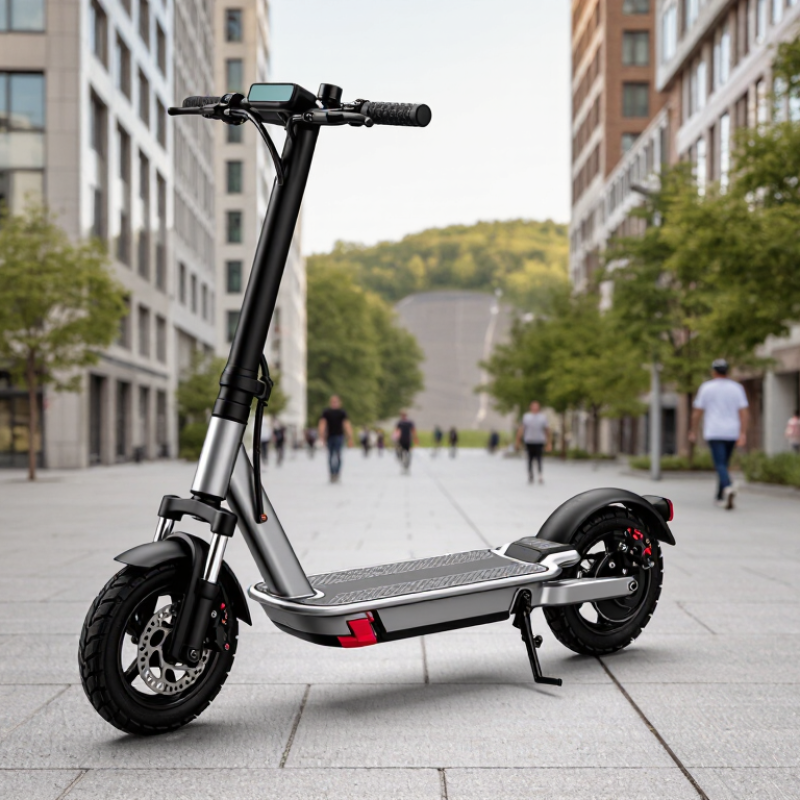
What Is the Best 48V Electric Scooter in 2026?

Define a 48V Scooter: 13-Series Li-Ion Packs Reach 54.6V at Full Charge

A “48V” electric scooter is usually named for its battery’s nominal voltage, not its voltage at every moment. In a common 13-series lithium-ion pack, each cell group is about 3.6V nominal, giving 46.8V across the pack. Battery University’s technical note BU-409 lists 3.6V nominal and 4.2V full-charge voltage for this cell type. Multiply 13 groups by 4.2V, and the full-charge reading is 54.6V. That distinction matters. A charger showing roughly 54.6V after charging is not automatically overcharging the pack; it may be the expected top-of-charge value for this configuration.

Voltage also changes during use. It gradually falls as the battery discharges, and acceleration can cause a brief dip under load. So a dashboard reading near 48V does not tell you the exact remaining range. Rider weight, hills, temperature, tire pressure, and speed all affect energy use. The label is useful, but a little confusing; I would not choose a scooter by voltage alone.

Tips: Check the battery label for “13S” and confirm the charger’s specified output matches the pack. Never infer compatibility from a “48V” label alone. Look for capacity in amp-hours or watt-hours, too: watt-hours give a more useful basis for comparing stored energy. Source: Battery University, BU-409, “Charging Lithium-ion.”

What Is the Best 48V Electric Scooter in 2026? — Define a 48V Scooter: 13-Series Li-Ion Packs Reach 54.6V at Full Charge
Configuration Battery and Energy Typical Motor Setup Indicative Real-World Range Best Suited For Key Trade-Off
Compact commuter 48V nominal, 10Ah; approximately 480Wh using the marketed nominal voltage Single motor, approximately 350–500W rated About 18–28km (11–17mi) per charge Short urban trips, easier storage, and riders prioritizing lower weight Smaller battery means less range reserve, especially in cold weather or on hills
Balanced everyday model 48V nominal, 15Ah; approximately 720Wh using the marketed nominal voltage Single motor, approximately 500–800W rated About 27–42km (17–26mi) per charge Regular commuting with a practical balance of range, cost, and portability Actual range depends strongly on rider weight, speed, terrain, temperature, and tire pressure
Long-range model 48V nominal, 20Ah; approximately 960Wh using the marketed nominal voltage Single motor, approximately 500–1,000W rated About 36–56km (22–35mi) per charge Longer commutes and riders who want fewer charging stops The larger pack usually adds weight, charging time, and purchase cost
Higher-performance model 48V nominal, commonly 15–20Ah; approximately 720–960Wh One or two motors; combined rated output varies by design Highly variable; power use can reduce range compared with a commuter setup Riders needing stronger acceleration or improved hill-climbing capability Motor count alone does not determine speed, safety, range, or legal road use
Voltage definition: “48V” is a nominal battery-system label, not the fully charged voltage. A common 13-series lithium-ion pack reaches 54.6V when fully charged because 13 cells in series at 4.2V each equal 54.6V. Nominal pack voltage depends on the cells used and is commonly around 46.8–48.1V. Use a charger specified for the exact battery chemistry and pack configuration.
How to choose: For most everyday riders, a well-built 48V scooter with a 15Ah battery, suitable brakes, quality tires, and a clearly stated rated motor output is a balanced starting point. Treat range figures as estimates rather than guarantees; compare usable battery capacity, warranty terms, local regulations, and independent safety information before buying.

Compare Battery Energy in Wh: Voltage × Amp-Hours

A 48V label tells you the battery’s nominal voltage, but not how much energy it stores. To compare capacity, multiply voltage by amp-hours: a 48V battery rated at 15Ah holds about 720 watt-hours (Wh). Check whether the listed voltage is nominal, since manufacturers may describe batteries differently. Amp-hours alone can mislead. A 20Ah pack at a lower voltage may store less energy than expected.

Wh is a useful starting point for judging potential range, not a promise of distance. A heavier rider, frequent stops, steep hills, cold weather, and low tire pressure can all increase energy use. Two scooters with similar Wh ratings may feel quite different on the same route. That difference matters. Compare the battery’s usable energy, not just its headline figure, and look for clear capacity specifications. Real-world range estimates still involve some guesswork; a smooth, flat test ride rarely matches every commute. Wh measures stored energy, while motor power describes how quickly energy can be used. Don’t confuse the two.

Evaluate Motor Power, Controller Limits, and Climbing Performance

A 48V label does not tell you how strongly a scooter will climb. Motor output also depends on current, controller programming, battery condition, and heat management. Voltage alone tells little. Compare continuous power figures, not just brief peak claims, and check whether the manufacturer explains how those figures were measured.

The controller sets how much current reaches the motor. A higher current limit can improve low-speed pulling, but it may also raise temperatures and drain the battery faster. On a long incline, power can taper as components warm or battery voltage falls. Look for clear controller-current specifications and thermal protections. If those details are missing, treat advertised peak power cautiously; the omission matters.

Climbing performance is best judged on a repeatable hill, not a short showroom ramp. Note the slope, rider load, starting speed, and remaining charge. A useful scooter should climb without repeated cutouts or severe speed loss. Short test. Also check whether it can restart on the incline, since that reveals more than a fast downhill run. Real-world results vary, and even careful testing has flaws: wind, tire pressure, and battery age can shift the outcome. A little uncertainty is normal.

Verify Electrical Safety: UL 2272 Covers Personal E-Mobility Systems

For a 48V electric scooter in 2026, check electrical safety before comparing range or acceleration. UL 2272 evaluates the electrical system of personal e-mobility devices, including battery, controller, wiring, and charging components. It addresses fire and electric-shock hazards. The voltage alone says little about safety.

Look for certification covering the exact scooter model, not just a battery or charger. Check the product label and documentation. A label helps, but it is not a force field. UL 2272 does not rate braking, frame strength, or riding skill, and certification cannot prevent every failure.

The U.S. Consumer Product Safety Commission’s 2017–2022 micromobility report estimated 360,800 emergency-department-treated injuries across covered products. That figure includes varied injury causes; it does not mean electrical faults caused them all. Still, it shows why safety deserves more than a quick spec-sheet glance.

Before charging, inspect cables for cuts and connectors for heat discoloration. Use the supplied compatible charger, and stop if the battery swells, smells unusual, or becomes unusually hot. Small warning signs matter. Check the certification record and model details, too; I would not rely on a marketplace claim alone.

Rank 2026 Scooters by Tested Range, Reliability, Service, and Cost

The best 48V electric scooter in 2026 depends on more than its advertised range. Rank models using repeated road tests with the same rider load, route, tire pressure, and weather conditions. Report the median distance, not the most flattering run. A 2023 NACTO Shared Micromobility Report recorded 133 million shared micromobility trips in the United States, showing how heavily these vehicles can be used. That matters. Private-scooter tests should also track failures over mileage, not just performance on day one.

Service deserves its own score. Record repair turnaround, parts availability, and warranty response using dated service requests or documented repair logs. The UK Department for Transport’s e-scooter trial evaluations provide a useful example of monitoring real-world use beyond showroom claims. For ownership cost, compare purchase price, electricity, tires, brake parts, and likely battery replacement over a fixed distance. Publish the assumptions; battery life varies with heat, charging habits, and storage. A scooter that travels far but waits weeks for a common part may rank below a shorter-range model. Imperfect data should be labeled clearly, especially when repair samples are small. An honest ranking leaves that uncertainty visible.

What Is the Best 48V Electric Scooter in 2026?

A transparent framework for ranking scooters by tested range, reliability, service, and cost.

How to read this: These are proposed scoring weights, not measured results or a ranking of specific scooters. A trustworthy 2026 ranking requires comparable range tests and verified reliability, service, and ownership-cost data; no model results are presented here as independently tested.