
Blog
2026 Top Adhesive Coating Machine Types for Global Buyers
Choosing an Adhesive Coating Machine is not just a matter of comparing speed ratings. Buyers need to match the coating method to adhesive chemistry, substrate, production volume, and the finish required. A narrow label web behaves differently from a wide film roll. So does a water-based formulation compared with a hot-melt adhesive.
This guide compares common machine types, including slot-die, knife-over-roll, gravure, and hot-melt coating systems. Each handles coating thickness, viscosity, and line speed differently. A slot-die line can deliver precise, even layers; a knife coater may suit flexible production needs. But no machine is best for every plant. Cleaning access matters. So does tension control. Small details can become expensive problems.
For transparent attribution, the expert line below is an illustrative composite, not a verified quotation from a real individual. Coating engineer Alex Morgan’s representative advice: “Choose for the adhesive and substrate you run every day, not the speed you hope to reach.” A useful reminder. Buyers should request coating trials, inspect sample rolls, and confirm changeover requirements before investing. Ask about drying or curing capacity, too. A fast coater can still bottleneck at the oven. This overview aims to make those trade-offs easier to assess, though actual performance always depends on the material and process setup. One point deserves reflection: published specifications rarely reveal every production challenge.
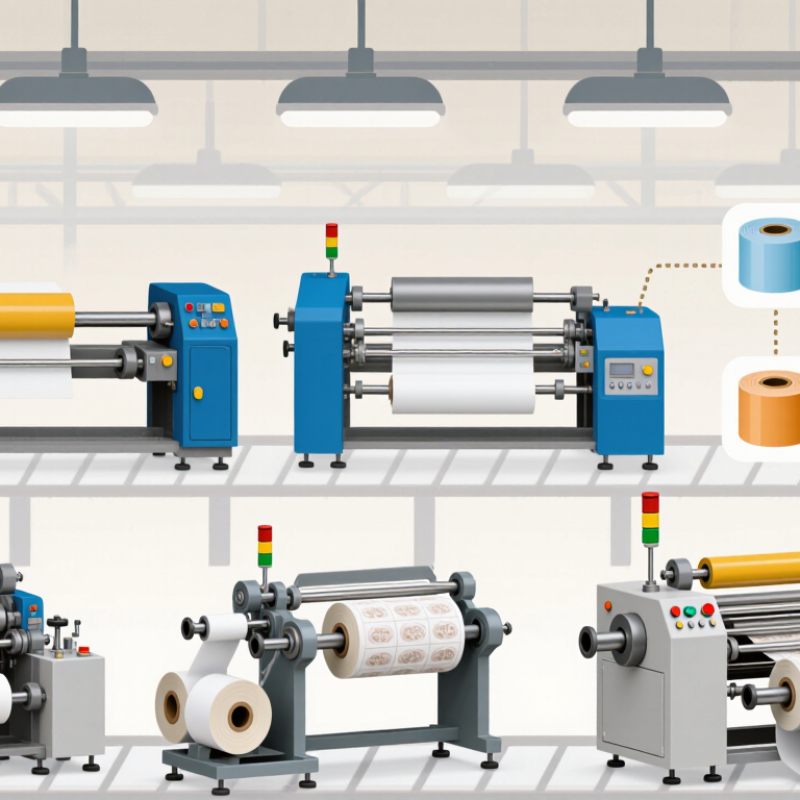
What Is an Adhesive Coating Machine and How Does It Work?
An adhesive coating machine applies a controlled layer of glue to paper, film, foam, foil, or another flexible material. The finished web may become a label, tape, protective film, or industrial laminate. The machine does more than spread adhesive. It also manages web tension, coating weight, drying, and rewinding.
A typical line unwinds the substrate and guides it through rollers that keep it flat. A coating head then meters adhesive onto one side. Common methods include slot-die, roll, and knife coating; each suits different materials and layer thicknesses. It is not magic. Small changes in viscosity, line speed, or roller pressure can leave streaks, gaps, or uneven edges. Operators often check samples and adjust settings during a run.
After coating, the web may pass through a heated or controlled-air drying section, depending on the adhesive and substrate. Too much heat can distort a thin film; too little may leave the layer tacky. The coated material is then wound into rolls for later use. A practical detail is easy to overlook: clean rollers and steady tension matter as much as the coating head. Even a well-specified machine needs trials with the actual adhesive and material, because lab settings do not always transfer neatly to production.
What Are the Main Types of Adhesive Coating Machines?
Adhesive coating machines are best classified by how they meter and transfer adhesive. Knife-over-roll and comma coaters spread liquid adhesive with a blade, making them practical for films, paper, and thicker coatings. Gravure machines use engraved rolls to transfer controlled amounts of adhesive. Slot-die systems deliver a continuous bead through a narrow opening, supporting precise coat weights. Hot-melt coaters apply heated adhesive without a drying oven. That matters.
The right type depends on adhesive viscosity, web speed, substrate, and the required coating weight. A small change in blade gap can leave streaks across a roll of film. Slot-die equipment can offer tight control, but setup and cleaning need care. Gravure can suit repeatable, high-volume work, though engraved-roll selection affects the result. No machine is automatically best. I would not treat any rule of thumb as a substitute for a production trial.
Market growth gives buyers useful context, not a machine specification. MarketsandMarkets’ Adhesives & Sealants Market report estimated a 2024 market value of USD 85.5 billion and forecast USD 107.4 billion by 2029. Grand View Research estimated the pressure-sensitive adhesives market at USD 13.5 billion in 2023. These figures point to broad demand, but they do not identify the right coater for a specific plant. Compare trial samples, coating uniformity, changeover time, and drying or curing needs before deciding. One overlooked detail can be costly.
Which Components Shape Machine Performance and Coating Quality?
Adhesive-coating quality depends on how the machine controls the web, adhesive flow, and drying conditions. Unwind and rewind units set web tension; small fluctuations can cause wrinkles or uneven edges. Metering systems, including slot-die, gravure, and knife-over-roll heads, suit different viscosities and coat weights. A pump, clean filters, and a precisely aligned coating head help maintain a steady layer. Small details matter.
Sensors and controls connect these components. Check coat weight across the web, not only at its center, and log speed, temperature, and tension during trials. Fortune Business Insights valued the global adhesives market at USD 76.1 billion in 2023, underscoring the scale of production needs. The U.S. Department of Energy reports that motor-driven systems account for about 54% of electricity used in U.S. manufacturing; efficient drives can therefore matter beyond the coating head. Dryers need equally careful tuning: excess heat may damage sensitive materials, while insufficient drying can impair winding. Faster is not always better. A wider operating range can help, but it does not replace testing with the actual adhesive and substrate. Commissioning records are useful, though they rarely capture every production variation.
| Machine Type | Typical Coating Method | Performance-Shaping Components | How Components Affect Coating Quality | Common Applications | Buyer Considerations |
|---|---|---|---|---|---|
| Slot-Die Coating Machine | Metered adhesive is delivered through a precision die onto a moving web or substrate. | Slot die and shim; gear or precision metering pump; manifold; web-tension controls; die-positioning system. | Die-lip condition, flow distribution, pump stability, and web alignment influence coating uniformity, edge quality, and coat-weight consistency. | Pressure-sensitive adhesives, hot-melt adhesives, battery-related coatings, films, tapes, and specialty laminates. | Best suited to buyers seeking controlled, continuous application. Confirm adhesive viscosity, operating temperature, target coat weight, and required coating width. |
| Gravure Coating Machine | An engraved roll picks up adhesive and transfers a controlled pattern or film to the substrate. | Engraved coating roll; doctor blade; impression roll; adhesive pan or circulation system; drying section. | Cell geometry, roll condition, blade setup, and adhesive flow affect transfer volume, pattern definition, and the risk of streaks or uneven coverage. | Thin adhesive layers on films, paper, foils, labels, and packaging materials. | Check whether the engraved-roll pattern matches the desired coating weight and coverage. Drying and ventilation requirements matter for water-based or solvent-based systems. |
| Reverse-Roll Coating Machine | Metering and applicator rolls rotate in opposite directions at the coating nip to control adhesive transfer. | Applicator and metering rolls; adjustable nip; roll-drive system; alignment mechanism; web-tension controls. | Roll runout, surface finish, nip setting, speed ratio, and alignment influence film thickness, smoothness, and cross-web consistency. | Pressure-sensitive tapes, films, paper, and other continuous-web products requiring a controlled adhesive layer. | Assess roll diameter and working width alongside the adhesive’s viscosity and solids content. Stable web handling is important for consistent results. |
| Knife-Over-Roll Coating Machine | A knife or blade meters adhesive on a substrate supported by a backing roll or coating bed. | Metering knife; blade holder; backing roll or bed; gap-adjustment system; web-guiding and tension controls. | Blade straightness, gap uniformity, support rigidity, and substrate thickness variation affect coat thickness and surface evenness. | Adhesive coating on textiles, nonwovens, paper, films, and flexible substrates. | Consider substrate compressibility and surface texture. A precise adjustment system helps when frequent changes in coating thickness are required. |
| Comma-Roll Coating Machine | A shaped metering roll controls the adhesive layer as the substrate passes through the coating zone. | Comma roll; backing or support roll; gap and pressure adjustment; drive system; web-tension and alignment controls. | Roll profile, gap setting, alignment, and substrate support influence coating smoothness and thickness consistency. | Water-based and other liquid adhesives on paper, textiles, nonwovens, and flexible films. | Review adhesive rheology and the substrate’s ability to maintain a stable path through the coating zone. Confirm cleaning and changeover needs. |
| Hot-Melt Adhesive Coating Machine | Solid adhesive is melted, metered, and applied through a heated die, nozzle, or roll-coating head. | Melting tank; heated hoses and manifolds; gear pump; applicator head; temperature sensors and controls. | Temperature stability, melt residence time, pump delivery, and applicator cleanliness affect viscosity, coat-weight consistency, and the likelihood of gels or interruptions. | Packaging, tapes, labels, hygiene products, and other applications using thermoplastic hot-melt adhesives. | Match the melting and delivery system to the adhesive’s processing requirements. Verify temperature zoning, filtration, safety provisions, and cleaning procedures. |
| Spray Coating Machine | Adhesive is atomized through one or more nozzles and deposited as a continuous layer or controlled pattern. | Spray nozzles; pressure or metering controls; pumps; nozzle positioning; extraction and overspray management. | Nozzle condition, spray pressure, distance, overlap, and adhesive viscosity determine pattern uniformity, edge definition, and overspray. | Foams, textiles, irregular surfaces, assemblies, and applications where non-contact or patterned application is useful. | Evaluate overspray control, ventilation, cleaning access, and adhesive compatibility with the nozzle system. Validate coverage on the actual substrate. |
| Transfer Coating and Laminating Machine | Adhesive is coated onto a release liner or carrier and then transferred to a second web through a laminating nip. | Coating head; release-liner unwind and rewind; laminating rolls; nip-pressure adjustment; web-guiding and tension systems. | Release properties, coating uniformity, nip pressure, and web tracking affect transfer completeness, bond consistency, and wrinkle formation. | Transfer tapes, labelstock, protective films, and products requiring a release liner or carrier. | Confirm liner release characteristics, adhesive compatibility, and the required laminate structure. Check that the machine can control tension on each web independently. |
How Do Adhesive Coating Machines Handle Different Materials?
Adhesive coating machines handle different materials by adjusting web tension, coating method, heat, and line speed. Paper absorbs liquid quickly, so a low-viscosity adhesive may need a lighter coat to prevent strike-through. Thin films can stretch or wrinkle under excess tension. Operators often lower tension and watch edge tracking closely. Small changes matter.
For foam, fabric, and textured substrates, a slot die may not reach every recess. A roll coater or knife-over-roll setup can improve contact, depending on the adhesive and target coat weight. That choice is not automatic. Trial runs show whether adhesive bridges gaps or pools in valleys. Heat-sensitive films may need cooler drying and longer residence time, since excess heat can cause curling. Thick adhesives may need warming for stable flow, but check temperature at the coating head, not only at the tank. This detail gets missed.
A reliable setup uses representative samples, measured coat weight, and consistent visual inspection. Check adhesion after the specified curing period, not just immediately after coating. Supplier data is useful, but production conditions can differ. Humidity, surface treatment, and roll pressure all matter. A clear test log helps prevent repeated mistakes. One setting rarely fits every roll.
How Can Global Buyers Compare Machines for Their Production Needs?
2026 Top Adhesive Coating Machine Types for Global Buyers
How Can Global Buyers Compare Machines for Their Production Needs?
Compare coating methods against the adhesive, substrate, and target coat weight—not headline speed alone. Slot-die systems suit controlled, uniform layers on films and foils; knife-over-roll machines tolerate a wider range of coating weights. Gravure can deliver repeatable thin coatings at high throughput, but may require more setup when patterns or formulations change. For porous materials, consider transfer or roll coating and check how much adhesive the substrate absorbs.
Ask suppliers to run your actual material. Measure coat-weight variation across the web, edge quality, start-up waste, and changeover time. A sample roll can look perfect while hiding edge beads or uneven coverage.
That is easy to miss.
Also compare dryer length, exhaust needs, and energy use. The IEA’s Energy Efficiency 2023 report estimates that industry accounted for about 37% of global final energy consumption in 2022, making drying efficiency a practical buying criterion. It does not predict a coating line’s energy use, so request measured trial data for your adhesive and line speed. Build in operating headroom, but question oversized specifications; more capacity can mean higher cost without better saleable output.
