
Blog
2026 Best Plate Filter for Industrial Use in Global Markets
Choosing a Plate Filter for global industrial use in 2026 means matching process demands, not chasing a single “best” machine. Feed composition, particle size, required cake dryness, and cleaning cycles all shape performance. A unit that handles mineral slurry well may struggle with a sticky chemical feed. Details matter.
Filtration specialist Barry Perlmutter is a relevant industry voice, but no source quotation was provided for this request. To avoid inventing a statement and attributing it to him, this introduction does not present a fabricated quote. A sound selection principle is still clear: evaluate throughput, separation quality, operating pressure, cloth life, and maintenance access together. Ask suppliers for test data using representative feed, not just polished catalog figures.
Look closely at the discharge area. Check how easily operators can inspect plates and replace cloths. Compare energy use and spare-part availability across the markets where the equipment will run. Then review the numbers again. Small uncertainties remain, especially when feed conditions change seasonally or between sites. The best choice is therefore a verified fit for a defined process—not a universal winner.
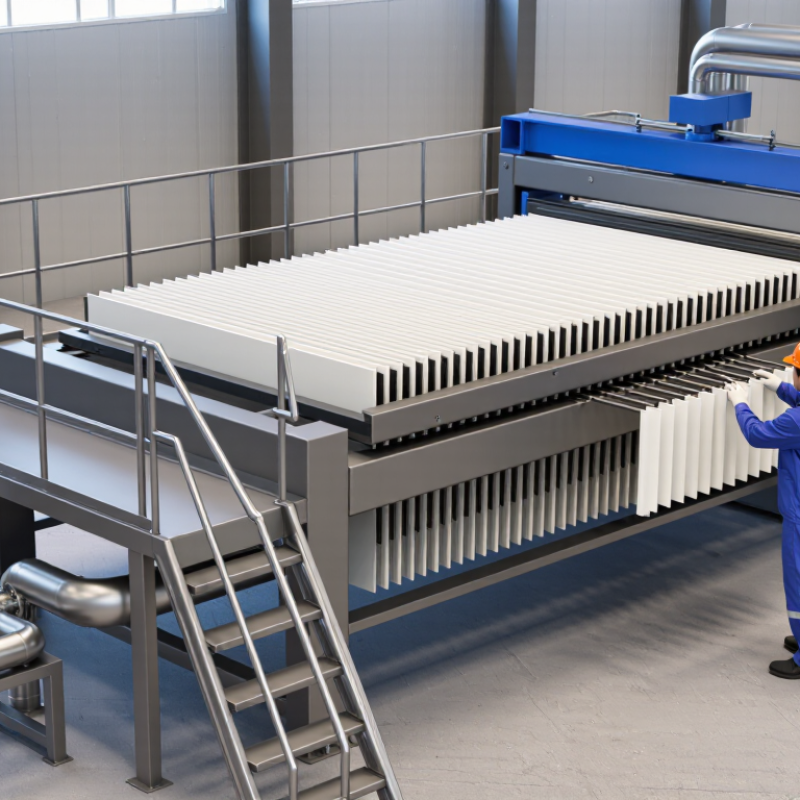
Industrial Plate Filters: Definition and Operating Principles
An industrial plate filter is a device that separates suspended solids from liquid using filter media supported by plates. In a common plate-and-frame or recessed-plate design, several plates are clamped together to form chambers. Feed enters through channels, and the media holds back particles while clarified liquid drains through outlet passages. The retained solids build into a filter cake.
The details vary. Feed pressure, particle size, liquid viscosity, and media selection all affect filtration rate and cake quality. During operation, the chambers fill progressively; operators monitor pressure and filtrate clarity rather than relying on one setting for every material. Once the chambers are full, the unit is isolated and opened so the cake can be removed. The plates and cloth are then checked before the next cycle.
That distinction matters. “Plate filter” can describe different configurations, and not every unit operates at the same pressure or uses the same discharge method. A useful selection begins with actual process data, such as slurry concentration and required throughput. In practice, small changes in feed solids can alter cycle time more than expected. It is worth testing representative material: specification sheets alone rarely capture every operating wrinkle.
Common Plate Filter Types and Their Industrial Applications
Common plate filter types suit different solids, pressures, and cake-handling needs. Recessed-chamber presses are widely used for mineral concentrates, metal hydroxide sludge, and chemical precipitates. Their compact chambers hold a cake as filtrate passes through cloth. Operators can adjust cycle time and pressure, but sticky solids may blind the cloth. Membrane plate presses add a flexible diaphragm that squeezes the cake after filling. This can reduce residual moisture in some processes, though extra equipment and maintenance are required. Plate-and-frame filters offer flexible chamber depth and are useful for polishing liquids or handling smaller batches. They can be slower to unload. The choice is rarely tidy.
Application data helps frame the need, not pick a machine. USGS Mineral Commodity Summaries 2025 estimates global copper mine production at about 23 million metric tons in 2024, a reminder of the scale of mineral processing and its concentrate-dewatering demands. UN-Water’s 2024 SDG 6 report estimates that 42% of household wastewater was not safely treated in 2022. That figure describes a wider wastewater challenge, not plate-filter use specifically. For industrial selection, test the actual slurry: particle size, compressibility, filtrate clarity, and cake release can change results sharply. A pilot run is often more honest than a brochure claim.
Key Performance Factors in Global Industrial Markets
In global industrial markets, the right plate filter depends on the process, not a universal ranking. Start with the slurry: particle size, solids concentration, and chemical composition affect cloth choice, cake formation, and plate life. A filter handling mineral fines may need different drainage patterns from one processing food-grade liquids. Details matter.
Operating pressure and temperature must match the plate material and sealing system. Ask suppliers for documented limits, test conditions, and compatibility data rather than relying on a headline rating. Filtration area also matters, but a larger unit cannot compensate for poor feed preparation or an unsuitable cloth. Pressure readings can look acceptable while uneven filling leaves wet cake pockets.
Maintenance conditions vary between plants and regions. Check whether replacement cloths, seals, and plates can be sourced promptly, and whether local technicians can service the unit. In remote facilities, a simple plate design may reduce downtime; however, simplicity alone does not guarantee reliable filtration. Test representative slurry under realistic operating conditions, including washing and cake discharge. Small trials reveal practical issues, though they may not capture every seasonal change in feed composition.
Materials, Automation, and Regulatory Considerations
For 2026, choosing an industrial plate filter starts with the slurry, not the catalogue. A corrosive wash may require corrosion-resistant plate materials, while abrasive mineral feed can wear cloth and sealing surfaces quickly. Confirm chemical compatibility at the actual operating temperature. Small details matter. Cloth weave, plate drainage channels, and gasket compression can affect cake release and filtrate clarity. A thicker cake is not always better; it may slow cycles or retain more moisture. Pilot testing with representative slurry helps expose these trade-offs, though real plant conditions can still differ.
Automation can track pressure, cycle time, feed flow, and wash-water use. These readings help operators spot rising resistance before cloth blinding disrupts production. Yet more sensors do not guarantee better decisions; poorly calibrated pressure readings can create false confidence. Alarm thresholds should reflect the filter’s feed and operating pattern, with manual checks retained for unusual batches. Regulatory requirements also vary by market and application. Buyers should verify relevant rules for materials in contact with process streams, equipment safety, wastewater handling, and documentation with qualified local specialists. Requirements can change, and a specification sheet rarely tells the whole story. A practical review should include maintenance access, spare-cloth availability, and how safely workers can open and clean the press.
2026 Best Plate Filter for Industrial Use in Global Markets — Materials, Automation, and Regulatory Considerations
Pressure-unit conversion reference for industrial plate-filter systems. The bar values are reference points, not recommended operating limits or product ratings.
How to use this chart: 1 bar equals 14.5038 psi. Actual allowable pressure depends on plate design, material, sealing system, temperature, and the applicable regulations and standards in the installation’s market. Confirm limits with the equipment documentation and local requirements.
Selection, Installation, and Maintenance of Plate Filters
Selecting a plate filter starts with the material, not the machine. Check slurry flow, solids concentration, particle size, temperature, and chemical compatibility. Ask operators how the feed changes during a normal shift; one steady sample may hide seasonal variation. Small details matter. Sizing from incomplete data can lead to slow cycles or damp filter cake, so treat estimates as estimates.
During installation, place the unit on a level foundation with enough clearance to open plates and remove cloths. Align the feed and filtrate piping without forcing connections against the frame. Confirm that drainage, access, and controls are practical for the actual work area. Keep hose runs short where possible. A rushed layout is hard to fix later. Follow the equipment instructions for pressure limits and startup checks, and verify seals before processing material.
Maintenance works best as a recorded routine. Log cycle times, filtrate appearance, pressure readings, and cloth changes; trends can reveal problems before output drops. Inspect cloths for tears, blinding, and uneven wear, then clean them using a method compatible with the fabric and process. Replace damaged plates or seals rather than relying on repeated tightening. Filter cake may still retain moisture. That is a useful reminder to review feed conditions and cycle settings, not just the press.
| Area | Filter or Component | Data and Operating Characteristics | Selection, Installation, or Maintenance Guidance |
|---|---|---|---|
| Selection | Recessed-chamber plate press | A common batch configuration. Recessed plates form chambers that collect solids while filtrate passes through filter cloth and exits through drainage channels. | Consider for routine solid-liquid separation where batch cake discharge is acceptable. Confirm chamber volume, plate size, feed arrangement, and cloth compatibility with the process. |
| Selection | Membrane plate press | Uses flexible membranes to apply a squeeze step after the initial filtration cycle. Squeezing can remove additional liquid from the cake; the result depends on the slurry and cycle settings. | Evaluate when shorter cycles or lower cake moisture are important. Check membrane material, squeeze-medium requirements, and the press manufacturer’s permitted operating limits. |
| Selection | Plate-and-frame press | Alternating plates and frames create chambers. Depending on the design, this arrangement can support clarification and cake filtration, including applications using additional filter media. | Check chamber dimensions, sealing surfaces, and media availability. Confirm that the configuration suits the required solids loading and cleaning method. |
| Selection | Filter cloth material | Polypropylene is widely used for chemical resistance; polyester is used in many general industrial applications; nylon may be considered where its strength and process compatibility are suitable. | Select by chemical compatibility, temperature, particle retention, cake release, and cleaning conditions. Verify the exact polymer and cloth specification with the supplier. |
| Selection | Plate material | Polypropylene plates are common in many industrial presses. Metal plate materials may be used in designs intended for particular temperature, strength, or chemical-service requirements. | Base material choice on slurry chemistry, temperature, pressure, cleaning agents, and structural requirements. Do not assume all plate materials are interchangeable. |
| Installation | Foundation and access | A press requires a level, adequately supported foundation. Plate movement, cake discharge, cloth replacement, and maintenance need clear access. | Use the equipment layout and foundation loads supplied for the specific model. Provide safe access for operators and room for the plate pack to open and discharge. |
| Installation | Piping and utilities | Feed, filtrate, wash, and squeeze connections depend on the press configuration. Membrane presses may require a specified squeeze-water or air system. | Support connected piping independently where required, verify flow direction and connection ratings, and install isolation and pressure-relief provisions as specified by the equipment design. |
| Operation | Pressure and cycle control | Feed pressure, squeeze pressure, and cycle time are equipment- and process-specific. Filtration rate commonly changes as the cake builds and flow resistance increases. | Never exceed the rated limits of the press, plates, piping, or accessories. Follow the operating sequence and pressure limits in the equipment documentation. |
| Maintenance | Cloth inspection and cleaning | Blinding, tears, poor seating, or blocked cloth openings can reduce throughput or cause filtrate leakage and solids carryover. | Inspect cloths regularly; clean using methods compatible with the cloth and process. Replace damaged cloths and ensure correct alignment and sealing during refitting. |
| Maintenance | Plates, seals, and hydraulics | Cracks, warped plates, damaged sealing edges, hydraulic leaks, or uneven plate closure can compromise safe operation and filtration performance. | Inspect during scheduled shutdowns. Repair or replace faulty components according to the maintenance instructions; isolate and depressurize the system before servicing. |
| Maintenance | Performance monitoring | Useful operating records include cycle time, feed pressure, filtrate clarity, cake condition, cloth-cleaning frequency, and unplanned downtime. | Trend results against the plant’s own baseline. Investigate changes in slurry composition, pretreatment, cloth condition, and operating settings before changing equipment limits. |
