
skip to Main Content

10 Recessed Electric Fireplace Buying Tips

Choosing a Recessed Electric Fireplace can transform a plain wall into a warm visual centerpiece. It can also create expensive problems when measurements, wiring, or heat output are ignored. This guide, “10 Recessed Electric Fireplace Buying Tips,” focuses on practical decisions before purchase.

“A fireplace should serve the room’s comfort and design, not compete with either,” says Jason Cameron, a home improvement expert known for residential renovation projects. That principle matters when comparing slim models, realistic flame beds, and built-in heating systems. A unit may look beautiful in a showroom, yet feel undersized above a wide media console. Another may produce strong heat but overwhelm a compact bedroom.

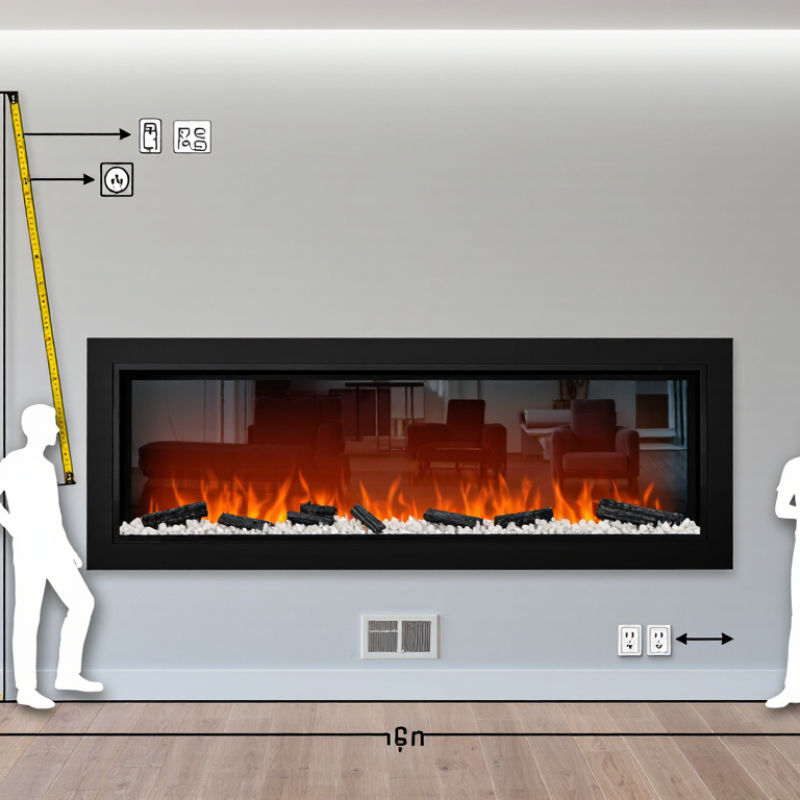
Measure the wall twice.

Check the cavity depth, framing space, and nearby outlets before ordering. Confirm the manufacturer’s clearance requirements, especially around televisions, shelves, curtains, and combustible materials. Heating capacity deserves equal attention. A higher wattage does not automatically mean better comfort, because insulation and room size influence performance.

Look for adjustable flame brightness, quiet operation, dependable controls, and a clear warranty. Review whether installation requires a dedicated circuit or professional electrical work. Local building requirements can differ, so qualified advice remains valuable.

Some buying advice sounds too certain. It should not. Every home has different wiring, airflow, and design limitations. Even experienced renovators can misjudge glare from glass or the fireplace’s visual scale. A careful buyer leaves room for reconsideration, compares verified specifications, and treats appearance as only one part of the decision.
10 Recessed Electric Fireplace Buying Tips

Define Heating Demand: 1,500 W ≈ 5,118 BTU/h for Zone Heating

When comparing recessed electric fireplaces, start with the heat your room actually needs. A 1,500-watt heater produces about 5,118 BTU/h. That output suits zone heating, not necessarily whole-home heating. Think of a reading corner, bedroom, or small living area. Cold windows and tall ceilings change the result. My first estimate was too optimistic. A drafty room felt cool despite steady heat. Measure the space, note insulation, and check the product’s tested coverage.

A recessed unit should be chosen for controlled comfort, not its flame display alone. Look for adjustable heat levels, a thermostat, and a timer. These controls prevent the room from becoming stuffy after the initial warm-up. Place a thermometer near seating height, not beside the heater. The reading will be more useful. A 1,500-watt setting can draw about 12.5 amps on a 120-volt circuit. Have an electrician verify the circuit, especially in older homes. Avoid sharing a heavily loaded outlet.

Installation details matter.

Follow the required cavity depth, airflow space, and clearance instructions exactly. Never cover vents with trim or fabric. Keep curtains, paper, and furniture away from hot surfaces. Hardwired installation may look cleaner, but it should match local electrical requirements. Plug-in installation can be simpler, yet the cord path must stay protected. I still prefer testing the heater for an hour before finishing the trim. Small mistakes become expensive once the wall is closed.

Check Recess Fit, Ventilation, and 120 V/15 A Circuit Requirements

Before buying a recessed electric fireplace, measure the cavity twice. Record width, height, depth, and the location of studs, outlets, and insulation. A unit may fit the opening but fail at the trim or heat outlet. Follow the installation manual’s clearance figures, not a retailer’s thumbnail dimensions. Electric models produce no combustion gases, yet their heating vents still need open airflow. Never cover the intake with insulation, flooring, or decorative panels. NFPA’s Home Structure Fires report recorded about 48,530 heating-equipment fires annually from 2016 to 2020. Poor clearance deserves serious attention.

Check the circuit before delivery. A 120-volt, 15-amp circuit provides 1,800 watts theoretically. That does not mean every watt is safely available. Under NFPA 70, continuous loads generally require 125% circuit capacity, leaving about 1,440 watts for a sustained load on a 15-amp circuit. Read the fireplace nameplate. Add nearby loads on the same circuit, such as lamps or a television. A dedicated circuit may be appropriate when the heater approaches the circuit limit. Do not rely on an extension cord or a loose adapter. The plug should sit fully in a properly grounded receptacle. A qualified electrician can verify polarity, grounding, breaker rating, and voltage. I would still remeasure after framing; walls move slightly, and that small error can ruin a clean recessed fit.

10 Recessed Electric Fireplace Buying Tips - Check Recess Fit, Ventilation, and 120 V/15 A Circuit Requirements

No. Buying Area What to Check Typical or Required Data Recommended Action
1 Rough-Opening Fit Compare the framed opening with the appliance's required rough-opening width, height, and depth. The opening must be at least as large as the specified rough opening. A small difference of a few millimeters can prevent installation. Measure the finished opening in several places and use the smallest width, height, and depth measurements when checking fit.
2 Fireplace Depth Confirm that the wall cavity can accommodate the full unit depth, including the power connection and rear clearance. Many recessed electric units are approximately 4–10 inches deep, but the actual cabinet depth varies by design. Check the installation manual for minimum cavity depth and do not compress, bend sharply, or trap the power cord behind the unit.
3 Front Trim and Finish Allow enough surface area for the finishing trim or frame to cover the cut edge of the wall. Trim overlap is product-specific; the visible frame should sit flat without gaps, twisting, or interference from wall materials. Install the framing square and level, and dry-fit the fireplace before applying tile, stone, paneling, or other finishes.
4 Electrical Voltage Verify that the fireplace is designed for the available household supply. A common residential configuration is 120 V AC, 60 Hz. Some larger units require a different voltage or circuit arrangement. Match the unit's rating label to the home's electrical supply. Never connect a unit to a voltage that is not listed in its instructions.
5 15 A Circuit Capacity Determine the heater's maximum current draw and the available capacity of the branch circuit. A 1,500 W heater at 120 V draws approximately 12.5 A. A 15 A circuit has a practical continuous-load limit of about 12 A under the 80% rule. Follow the manual and local electrical code. Avoid sharing the circuit with high-load appliances such as kettles, space heaters, or hair dryers.
6 Plug or Hardwire Identify whether the unit uses a factory power cord or is approved for permanent wiring. Plug-in models require an accessible, properly grounded receptacle. Hardwired installation must use an approved wiring method and suitable disconnecting means. Do not remove a grounding pin or use an extension cord unless the instructions specifically permit it. Use a qualified electrician for hardwiring.
7 Heater Ventilation Locate the air intake and warm-air outlet, usually near the upper or lower front section of the unit. Electric fireplaces do not require a combustion flue, but the heating assembly still needs unobstructed airflow. Do not cover grilles, place objects against the outlet, or seal the ventilation openings with trim, insulation, dust, or decorative materials.
8 Clearances Review clearance requirements for walls, ceilings, mantels, shelves, curtains, furniture, and combustible finishes. Clearances vary by model. The heater outlet generally needs open space in front of it, and combustible materials must remain outside the stated limits. Use the manufacturer's clearance diagram as the controlling measurement; do not estimate clearances from appearance alone.
9 Wall Structure Check whether the installation wall is load-bearing and whether studs, plumbing, wiring, or insulation are behind the proposed recess. A recessed opening can require altered framing. Structural members must not be cut or weakened without an appropriate framing solution. Scan or inspect the wall before cutting. Obtain professional advice if the opening affects load-bearing framing or concealed utilities.
10 Location and Inspection Confirm that the room, mounting location, and final electrical installation meet applicable safety requirements. Bathrooms, damp areas, and commercial locations may require specially listed equipment, GFCI protection, permits, or additional clearances. Use only equipment approved for the intended environment and arrange inspection or licensed electrical work where required by local code.
Important: Product specifications and local electrical codes take priority over general figures in this table. Confirm the exact rough-opening dimensions, clearances, current rating, grounding method, and installation procedure in the unit's current manual before construction or wiring.

Compare Energy Features: LED Flame Effects and Thermostat Control

When comparing recessed electric fireplaces, inspect the energy settings before admiring the flame display. LED flame effects usually consume far less electricity than the heating element. Some models allow the flame visuals to run without heat, which suits mild evenings or decorative use. Check the manual for the flame-only wattage, not just the maximum heater rating.

Thermostat control matters more during daily use. A reliable thermostat should cycle the heater off after reaching the selected room temperature. This prevents constant heating and may reduce wasted electricity. Place the temperature sensor away from cold drafts, windows, and direct sunlight. Otherwise, the reading may be misleading. I once assumed a higher heat setting would warm a room faster, but it only created a warmer area near the fireplace. Room size, insulation, and ceiling height still matter.

Look for separate controls for heat, flame brightness, and timer operation. These details make energy use easier to manage. A low brightness setting can create a softer evening effect. Use the timer when you often forget to switch appliances off. Check standby consumption if the unit remains connected overnight. Small losses can accumulate. Confirm that the recessed cavity has the required clearance and airflow, because poor installation can affect performance and safety. A qualified installer can verify the circuit, wall opening, and ventilation requirements before the fireplace is used.

Verify Safety Compliance: UL 2021, ETL Listing, and Overheat Protection

When choosing a recessed electric fireplace, check the safety label before admiring the flame effect. UL 2021 indicates evaluation against a recognized safety standard for electric heating appliances. However, the mark alone is not enough. Confirm the exact model number and certification details.

An ETL Listed mark also shows that an independent testing laboratory evaluated the unit. It should match the applicable electrical and heating requirements. I recommend photographing the label and checking the listing through the testing organization’s official directory. Small label differences can matter. A vague “tested to standards” statement deserves closer inspection.

Overheat protection is equally important during daily use. Look for automatic shutoff if internal temperatures rise too far. Ask whether the heater restarts automatically after cooling. That detail is easy to miss. Keep air inlets clear, especially when the fireplace sits inside a tight wall cavity. Follow the stated clearance around framing, curtains, flooring, and furniture.

In my installation checks, blocked airflow has been a more realistic concern than dramatic electrical failure. Still, a certificate cannot correct poor wiring or careless mounting. Use the required circuit and a properly grounded outlet. Never rely on an extension cord unless the instructions specifically allow it. I have found manuals surprisingly unclear about this point, so verify the instructions before cutting the wall. Keep records of the model, listing information, and installation date for future service questions.

Calculate Total Cost: Energy Use, Installation, Warranty, and Controls

A recessed electric fireplace can look inexpensive until every cost is measured. The U.S. Energy Information Administration reported an average residential electricity price of about 16 cents per kilowatt-hour in 2023. A 1.5-kilowatt heater running four hours daily for 120 days uses 720 kilowatt-hours, costing roughly $115.20. Your local rate may be higher.

Installation also matters. A recessed unit may require wall framing, an approved electrical circuit, and professional inspection. The U.S. Department of Energy explains that electric resistance heating converts nearly all consumed electricity into heat at the point of use. That sounds efficient, but it does not guarantee low bills. Heating a poorly insulated room can waste money quickly. Measure the room, check insulation, and avoid assuming maximum heat is always necessary.

Tip: Request two installation estimates. Ask whether wiring, drywall repair, permits, and disposal are included. Read the warranty carefully. Labor coverage may expire earlier than parts coverage, and remote controls may be excluded. Confirm replacement-control costs before buying. Check timer accuracy, thermostat response, child-lock settings, and manual controls. Small details matter during a cold evening.

The U.S. Environmental Protection Agency’s ENERGY STAR guidance emphasizes reducing heating demand through sealing and insulation. That advice applies here, even when the fireplace is decorative. A glass front may collect fingerprints. Controls can feel confusing. Test them in the showroom, if possible. I would also record the model’s rated wattage and estimate seasonal use before comparing prices. The cheapest unit may become the costliest choice after installation.